
Last updated November 15, 2026
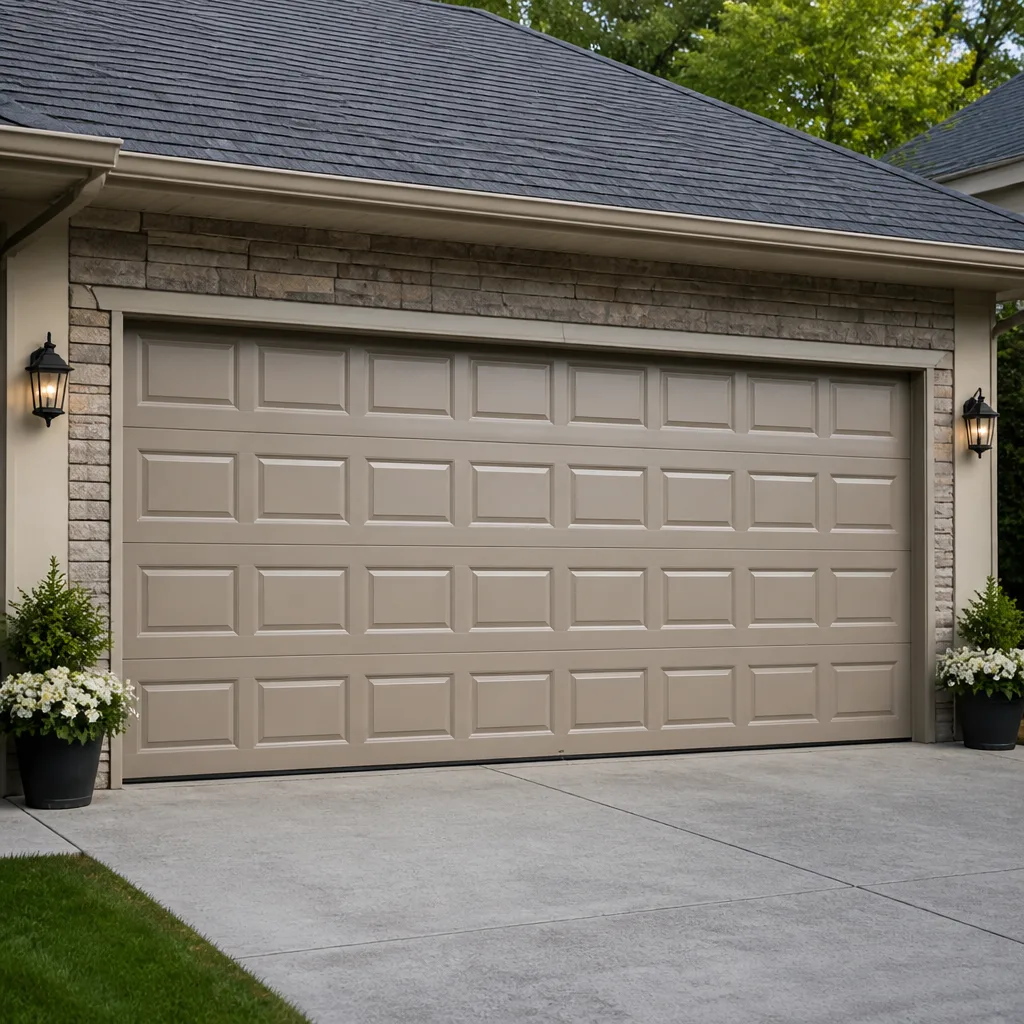 Raised-panel steel
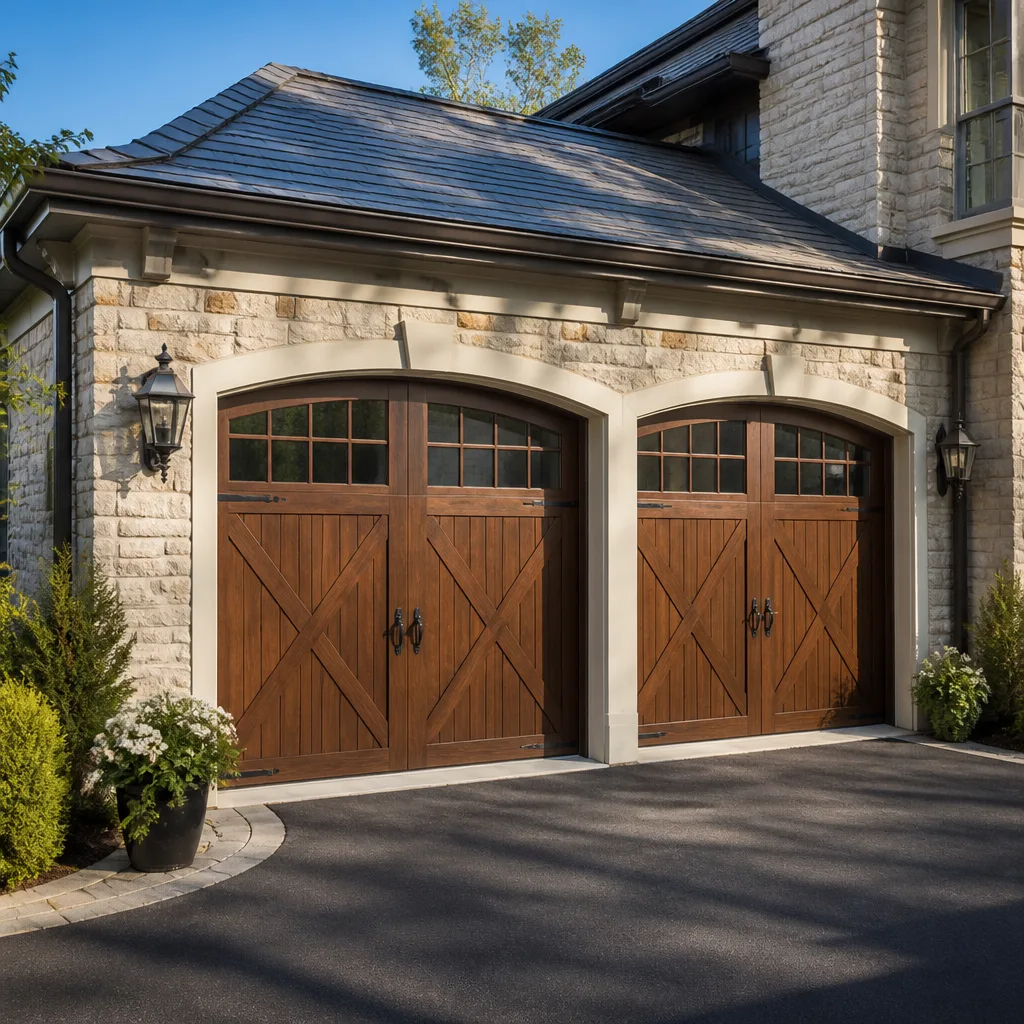 Carriage house
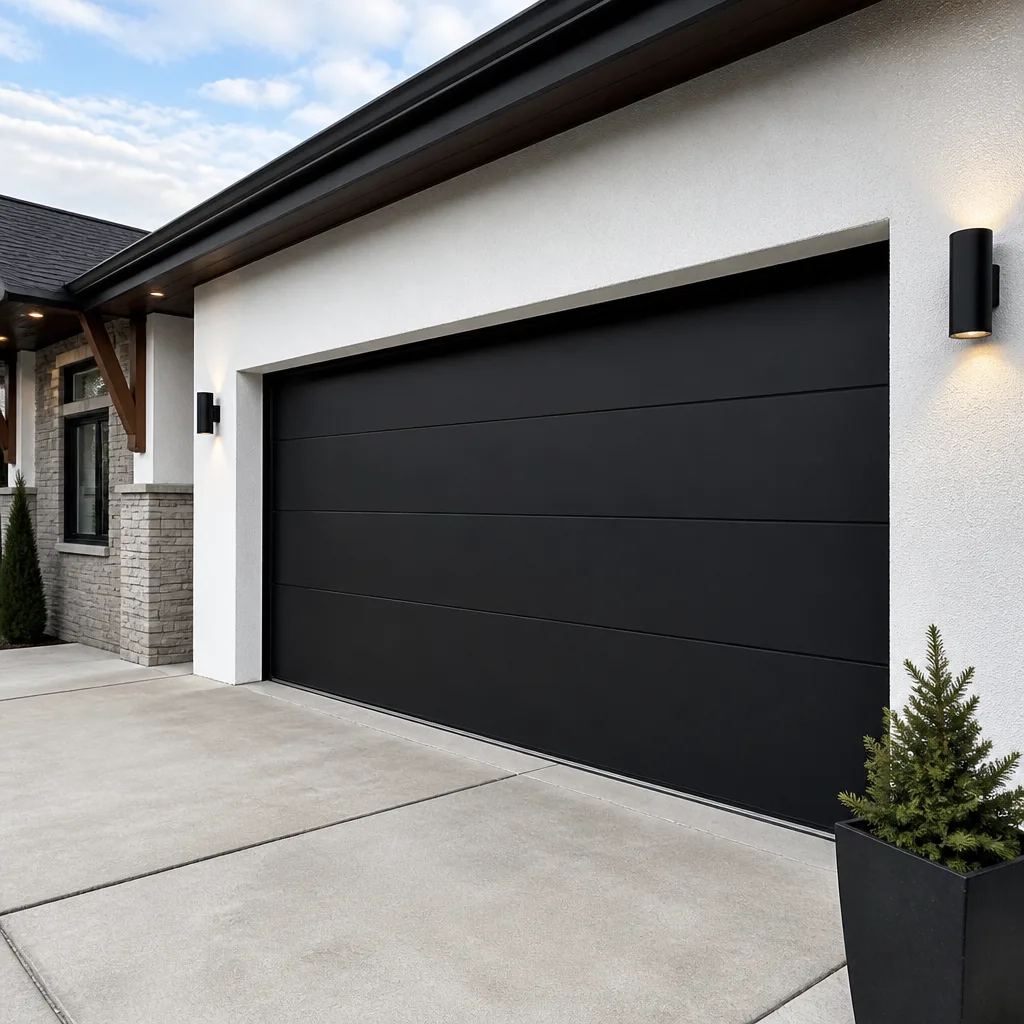 Modern flush
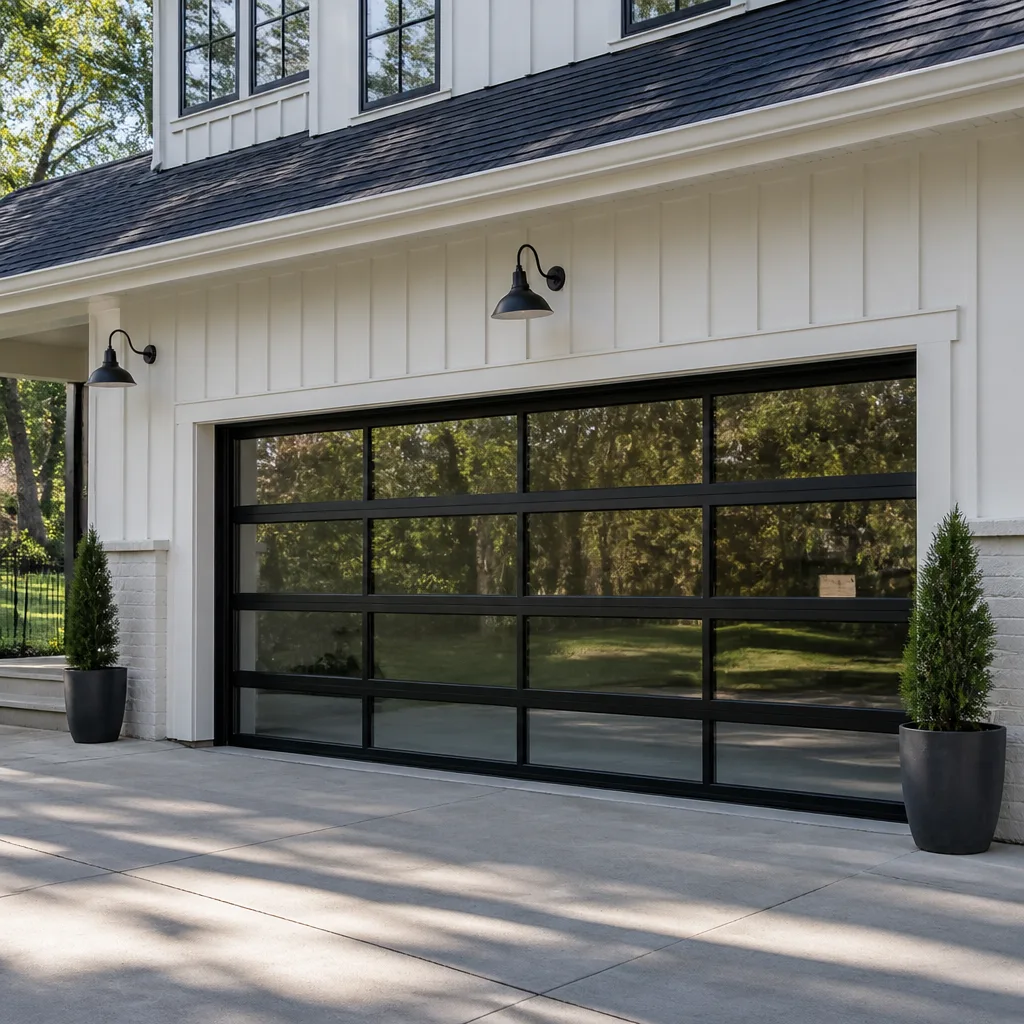 Full-view glass
 LiftMaster openers
 Chamberlain openers
Full 25-point door and opener safety check with every visit - springs, cables, rollers, tracks, and your LiftMaster or Chamberlain opener included
You get a price before we start. It does not change when the pro arrives.
Get your free estimateSeasonal Garage Door Care for Stamford: Year-Round Homeowner’s Guide
Lubricating your springs in January is too late for Stamford. By then, the metal has already been contracting through weeks of hard frost, and the stress on your torsion system started building back in November. Most seasonal garage door advice tells you to “service in spring and fall” and stops there. That calendar-based approach misses the thing that actually breaks doors here: the weather events themselves. Stamford sits where nor’easters funnel up the coast, where summer humidity hangs heavy, and where the freeze-thaw line cuts through every winter. This guide maps care to those events, so you act at the right moment instead of the right month.
Quick Answer
Seasonal garage door care in Stamford works best when it’s tied to weather events, not calendar months: prep the door in October and November before the first hard freeze, test balance and hardware again after the spring thaw, and guard untreated metal against the humid July and August stretch. The three jobs that prevent most failures are lubricating moving parts before cold sets in, tightening and inspecting hardware after freeze-thaw season, and keeping the bottom seal and panel edges dry through the wet months. Timing beats frequency every time.
Styles & brands we work with
- Raised-panel steel
- Carriage house
- Modern flush
- Full-view glass
- LiftMaster openers
- Chamberlain openers
Table of Contents
- The Pre-Winter Window: What to Do in October and November
- The First Hard Frost: Why Timing Beats Frequency
- Spring Thaw Recovery: What to Check After the Freeze Lifts
- Summer Humidity and Rust: The July and August Problem
- Storm Prep for Nor’easters and Coastal Systems
- Opener Care Through the Seasons
- Your Year-Round Reference Card
- Common Mistakes to Avoid
The Pre-Winter Window: What to Do in October and November
The weeks between the first cool snap and the first hard freeze are the most valuable maintenance window of the year in Stamford. Once temperatures drop below freezing consistently, metal contracts, lubricants thicken, and the door’s moving parts start fighting each other. Everything you do in October and November reduces that fight. Wait until January and you’re servicing a door that’s already under stress.
Here’s the sequence that prevents the most common winter failures:
- Lubricate the springs, hinges, rollers, and tracks. Use a lubricant rated for cold temperatures. A general-purpose oil that flows well in October can turn gummy by December. For torsion springs, a purpose-made spring lubricant works into the coils; for rollers, a light oil on the bearing surfaces is enough. Don’t over-apply. Excess attracts grit that grinds through the winter.
- Test the door’s balance. Pull the manual release (with the door closed and the opener disconnected), lift the door halfway, and let go. A balanced door stays put. One that drifts down or slams up has a spring problem that cold weather will make worse.
- Tighten every hinge and roller bracket. Vibration loosens fasteners over a season. A loose bracket becomes a bent one once contraction sets in.
- Inspect the bottom seal. A cracked or flattened seal lets in cold air, meltwater, and grit. Replace it before the wet season so it’s not a spring thaw problem waiting to happen.
- Check the weatherstripping around the frame. The gap between the door and the jamb is where wind-driven rain gets in. If the stripping is brittle or torn, address it now.
- Look at the panel seams. Any separation between panels is a water-intrusion point. If you see daylight through a seam, that’s a call to a professional.
- Confirm the auto-reverse safety feature works. Place a piece of wood or a brick across the door’s path and close the door. It should reverse on contact. This is a safety test you can do any time of year, but do it before the door gets stiff and slow.
If you’re in Stamford and the door has been sluggish or noisy since last winter, the October window is the moment to have it looked at rather than waiting for the first freeze to expose the problem. Our technicians have up to 8 years of experience with the door systems you already own, so a pre-winter check tells you what needs attention before it becomes a repair.
The First Hard Frost: Why Timing Beats Frequency
The first hard frost in Stamford usually arrives before anyone is thinking about garage maintenance. When it does, three things happen to the door at once: the torsion springs contract, the lubricant you applied thickens, and the tracks can shift slightly as the ground settles. A door that operated fine in September can suddenly feel heavy, loud, or uneven in the first week of real cold. That’s not a new problem. It’s the same problem, exposed.
This is why lubricating in January is a mistake. By then the contraction has already been loading the springs for weeks, and the friction on rollers and hinges has been higher than it should be since the first freeze. The right approach is to lubricate before the cold, then leave the system alone through the deep winter except for basic observation.
What to watch through the cold stretch
- Sound. A door that squeals, grinds, or bangs on close is telling you something. Note when the noise happens: on open, on close, or both. That’s useful information for a technician.
- Speed and smoothness. If the door opens unevenly or pauses partway, the springs or the opener are working harder than they should.
- The reverse test. Cold stiffens every component. Run the obstacle-reverse test once a month through winter. It’s a safety feature and it’s the one thing worth checking even when you leave the rest alone.
- Ice at the bottom seal. Water that pools at the threshold and freezes can tear the seal. Keep the apron clear if you can.
This is also the season when spring failures become most common in Stamford homes. If a spring lets go, stop using the door and call a trained professional. Torsion springs and the cables they connect to are under extreme tension, and attempting a repair yourself is genuinely dangerous. This is the one part of seasonal care where the right move is to leave it alone and get help.
Spring Thaw Recovery: What to Check After the Freeze Lifts
Most homeowners think about garage door care going into winter and never going out of it. In Stamford, the spring thaw is where a lot of small winter issues turn into visible problems. Freeze-thaw cycling works on every seam, seal, and fastener. As the ground softens and the door warms, gaps that were tight in January can loosen. This is the recovery checklist we’d walk through in late March and April:
- Re-tighten hinges and roller brackets. The same fasteners you tightened in the fall have been through a full contraction-expansion cycle. Check them again.
- Inspect the tracks for movement. Freeze-thaw can shift the track brackets slightly. Look for bends, dents, or a gap between the roller and the track edge. If the door binds anywhere along its path, the track is the likely culprit.
- Check the bottom seal for damage. A winter’s worth of ice, grit, and meltwater can tear or compress a seal. Replace it before the spring rains start.
- Look for rust on the panels, hinges, and hardware. This is where the spring inspection starts overlapping with the humidity problem that shows up in July. Nip rust early with a wire brush and touch-up paint on the door finish, and a light lubricant on the hardware.
- Re-test balance. Springs lose tension over time. A door that was balanced in October may drift now. If it’s noticeably out of balance, that’s a spring adjustment, and it’s a professional job.
- Check the panel alignment. Look at the door from the side when it’s closed. Panels should line up cleanly. Any step or gap between panels means the door is warping or a hinge has shifted.
- Run the full safety sequence. Test the auto-reverse, the photo-eye alignment, and the manual release. Spring is a good time to confirm everything still works after winter.
If anything in this list comes up borderline, that’s a good time to book a check. A quick inspection now, before the summer humidity settles in, tends to cost less than waiting for the problem to show up as a failed garage door repair.
Summer Humidity and Rust: The July and August Problem
Stamford’s summer humidity is the part of the year most seasonal guides ignore. Inland Connecticut homes dry out between storms. Stamford’s humid July and August stretch does something different: it holds moisture against metal for days at a time. Untreated hinges, rollers, springs, and panel edges rust faster here than in drier parts of the state. Rust isn’t cosmetic. It’s a surface roughness that adds friction to every moving part and a starting point for pitting on the panel finish.
The good news is this is the easiest season to stay ahead of. It’s about keeping things dry and lubricated when the air is working against you.
- Keep the door open long enough to dry. When the door is up, air moves through the garage and the door dries from both sides. Short cycles of open-close in humid weather trap moisture against the panels.
- Re-lubricate lightly in June. A light application on the hinges, rollers, and spring coils in early summer keeps rust from getting a foothold. Use a lubricant that stays put rather than running off in heat.
- Wipe down panel edges. The seams and edges where water collects are where rust starts. A wipe with a dry cloth on the lower panel edges after a rainy stretch makes a difference.
- Look at the bottom of the door first. It’s closest to the floor, it sees the most moisture, and it’s the first place rust usually appears. If the bottom panel of a Clopay or Amarr door is starting to show rust along the edge, deal with it before it spreads.
- Check the weatherstripping again. The seal you replaced in fall may have hardened in the winter and split in the summer heat. A torn seal lets humid air in against the door frame.
If your door is older and the finish is starting to fail, humidity is going to keep finding the weak spots. A proper garage door repair visit in the summer can catch rust and panel damage before it becomes a replacement conversation. And if the door is genuinely at the end of its life, that’s a conversation to have well before winter, not after.
Storm Prep for Nor’easters and Coastal Systems
Stamford sits where nor’easters and coastal storm systems are part of the seasonal rhythm. A garage door isn’t designed to take a direct impact from flying debris, but it does need to be secure against the wind pressure and water intrusion that storms bring. This is different from routine maintenance. It’s a short checklist you run when a big system is forecast:
- Test the manual release. If the power goes out, you need to be able to open the door by hand. Pull the release handle, open the door manually, then re-engage. If the manual release is stuck or the door is too heavy to lift by hand, that’s a problem to fix before the storm, not during it.
- Check panel integrity. Look for any panel that’s loose, dented, or separating. A panel that’s already compromised is the one that fails under wind load. If you see movement when you push gently on a closed door, have it looked at.
- Check the bottom seal and side weatherstripping. Storm water doesn’t come through solid panels. It comes around the edges. A seal that’s torn or flattened is a direct path for water to get under the door and into the garage.
- Clear the apron and the drainage path. Water that pools at the door and then freezes in a cold snap is a seal problem in the making. Make sure the ground outside the door drains away rather than toward it.
- Disconnect nothing else. Leave the opener connected unless you lose power. If the power goes out, use the manual release and re-engage before power returns to avoid a surprise when the opener tries to move a door that’s already disconnected.
This same checklist applies before any major storm system, not just a named event. The manual release test is the one most homeowners skip, and it’s the one that matters most if the power goes out for an extended stretch.
Opener Care Through the Seasons
The opener is the electronic half of the system, and it has its own seasonal rhythm. Cold weather makes the door harder to move, so the opener works harder in winter. Heat and humidity in summer stress the electronics. An opener that’s been straining through a cold winter tends to show its wear by spring. Here’s what to check, and when:
- Pre-winter: Test the force sensitivity and the auto-reverse. Clean the photo-eye lenses on both sides of the door. Confirm the remote and wall switch work reliably. If your LiftMaster or Chamberlain opener has a battery backup, check that the battery is healthy before winter, not after the first outage.
- Spring: Confirm the opener still runs smoothly with the door after the thaw. Listen for any new noise on open or close. Check that the safety sensors still align and the door reverses on contact.
- Summer: Wipe the photo-eye lenses (dust and pollen collect on them). Check that the opener isn’t running hot in the garage heat. Confirm the manual release still works, since it’s the seasonal check most often forgotten.
If the opener starts reversing on its own, stops partway, or runs but the door doesn’t move, that’s garage door opener repair territory, not a seasonal maintenance task. Genie and Wayne Dalton openers have their own quirks that a technician familiar with the brand will recognize quickly. That’s part of why we’re brand-agnostic: we work on the opener you already have, so you don’t have to replace a working system because the company you called only services one brand.
Your Year-Round Reference Card
This is the single-page version. Keep it in the garage, and act when the trigger event happens, not when a calendar month says you should.
| Season / Event | Trigger | Tasks |
|---|---|---|
| Pre-Winter | First cold snap through first hard freeze | Lubricate springs, hinges, rollers, tracks (cold-rated); test balance; tighten hardware; inspect bottom seal and weatherstripping; check panel seams; test auto-reverse |
| Deep Winter | First hard frost through last freeze | Observe sound and speed; monthly reverse test; keep apron clear of ice; leave springs and cables to a professional if anything changes |
| Spring Thaw | Last freeze to mid-spring | Re-tighten hardware; inspect track alignment; check bottom seal for winter damage; look for early rust; re-test balance; check panel alignment; run full safety sequence |
| Summer Humidity | Late June through August | Light re-lubrication on hinges and coils; wipe panel edges after wet stretches; check lower panel for rust; inspect weatherstripping for heat damage; open door to dry |
| Storm Pre-Episode | Any major system forecast | Test manual release; check panel integrity; inspect bottom seal and side weatherstripping; clear the apron and drainage path |
If you want, write the trigger events in the margin of your calendar instead of the tasks. “First hard frost” and “first warm week after the last freeze” are more useful than “October 15” because the weather in Stamford doesn’t read a calendar. A firm that sells installation would like you to buy a new door. A firm that only services one brand would like you to replace your opener. Neither of those is a seasonal care plan. We work on the brand you already have, and garage doors are all we do.
Common Mistakes to Avoid
- Lubricating too late. Waiting until January to lube the springs means the contraction stress has already been on the system for weeks. Do it in October or early November, before the first hard freeze.
- Using the wrong lubricant. A thin general-purpose oil runs off in heat and thickens in cold. Use a cold-rated lubricant for the moving parts, and a specific spring lubricant for torsion coils.
- Skipping the spring post-thaw check. The freeze-thaw cycle loosens fasteners and shifts tracks. If you only inspect in the fall, you’re missing half the cycle.
- Ignoring summer humidity. Some Stamford homeowners think about rust in winter, when the air is dry, and never in July and August when it actually accumulates. Check the lower panel edges in summer.
- Opening a stuck door with the opener. If the door is binding, forcing it with the opener strips gears and stresses the springs. Use the manual release, then stop and get it looked at.
- Replacing a working opener because of a brand mismatch. If your Genie or Wayne Dalton opener needs a repair and the company you call only services one brand, that’s their limitation, not your problem. A brand-agnostic specialist can usually repair what you already own.
- Treating the storm checklist as optional. Testing the manual release before a nor’easter takes two minutes. Discovering it’s stuck during a multi-day outage is a different experience entirely.
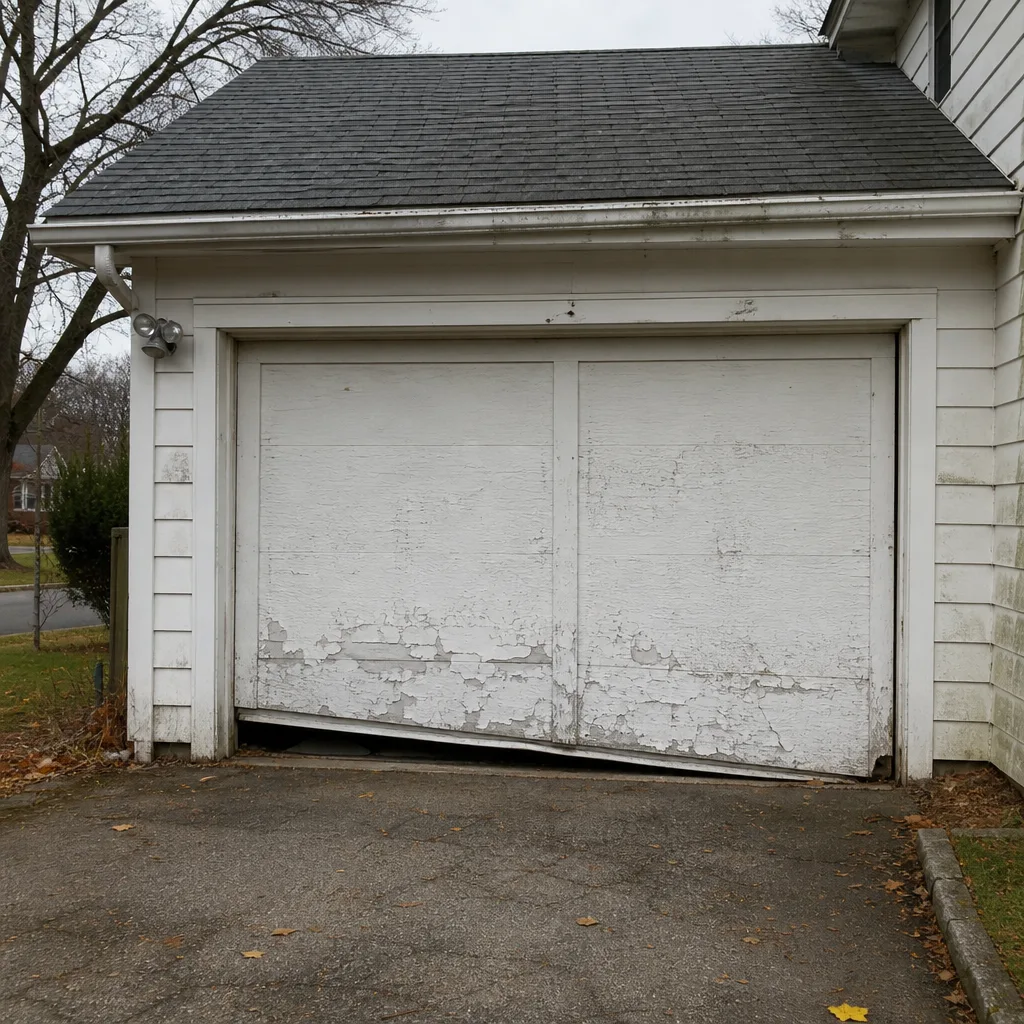
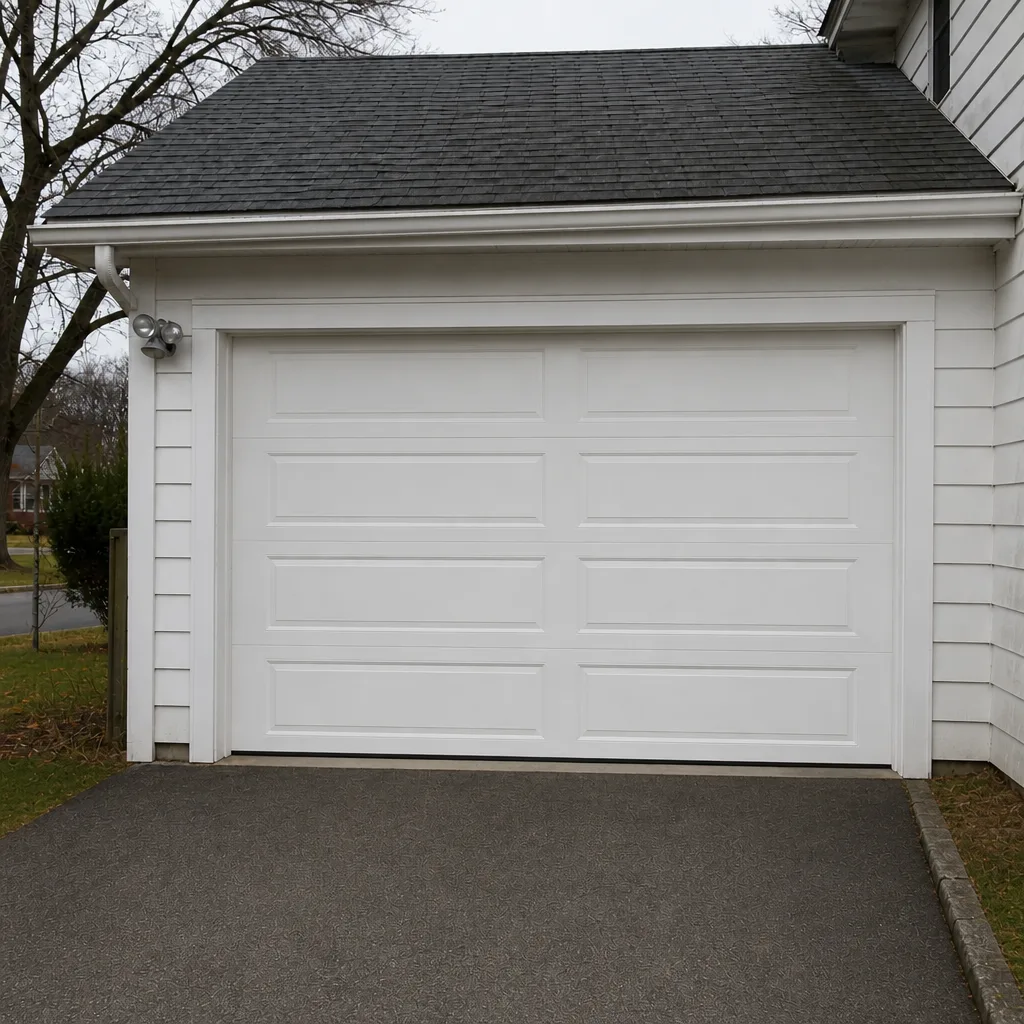
See the difference
 Before
 After
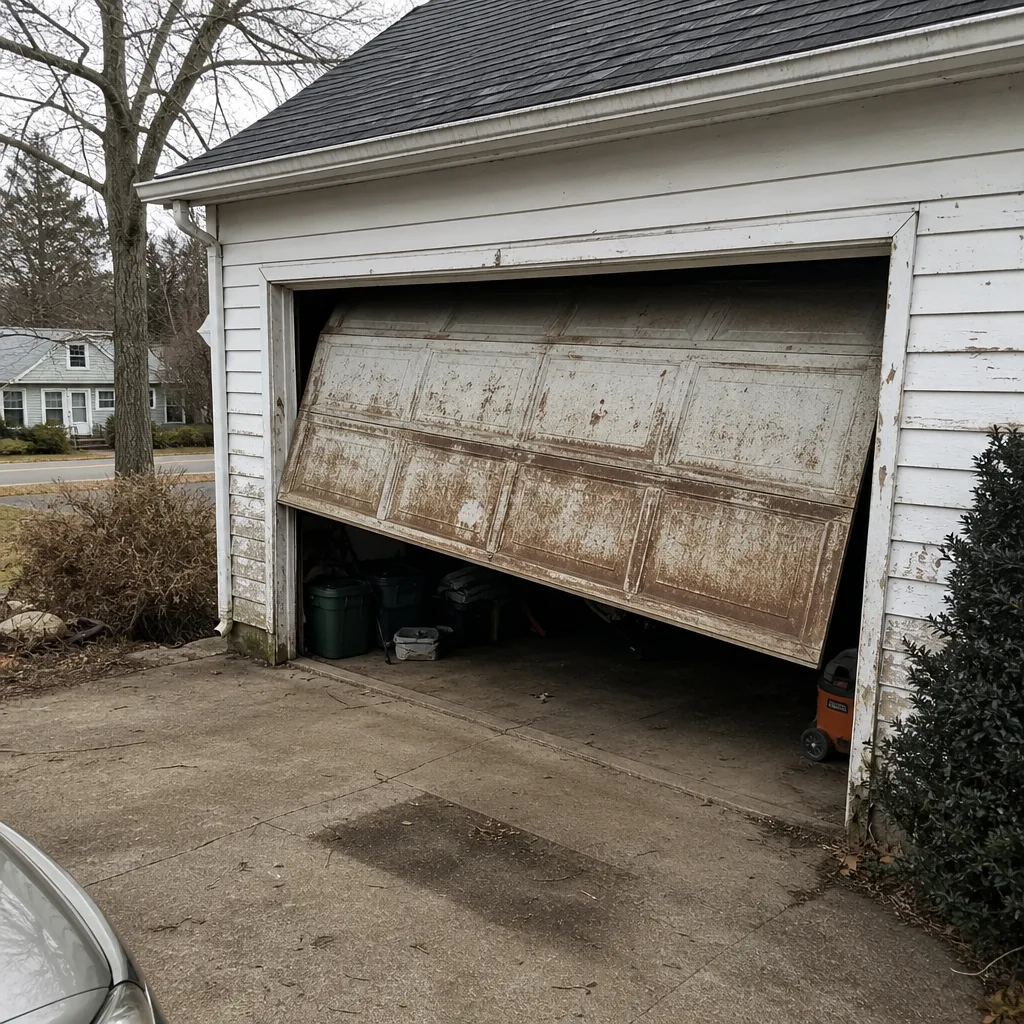 Before
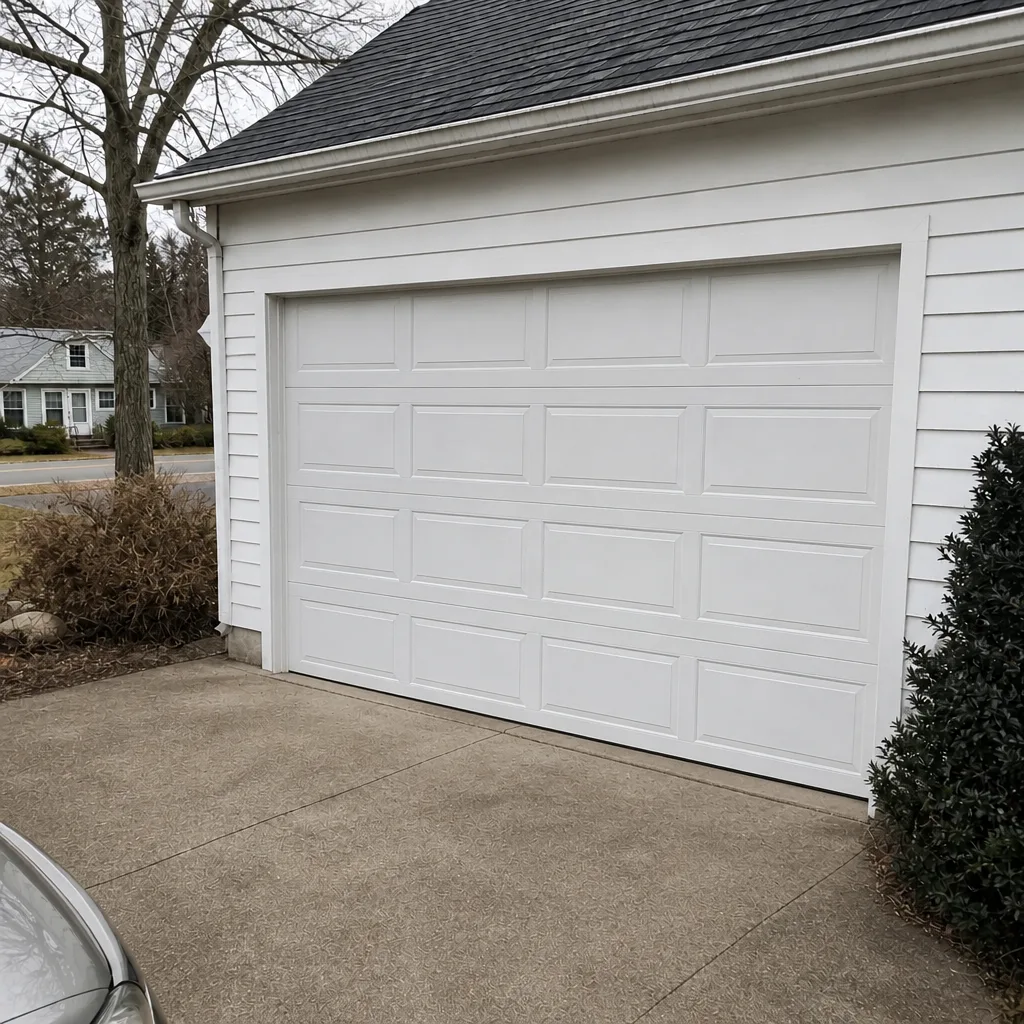 After
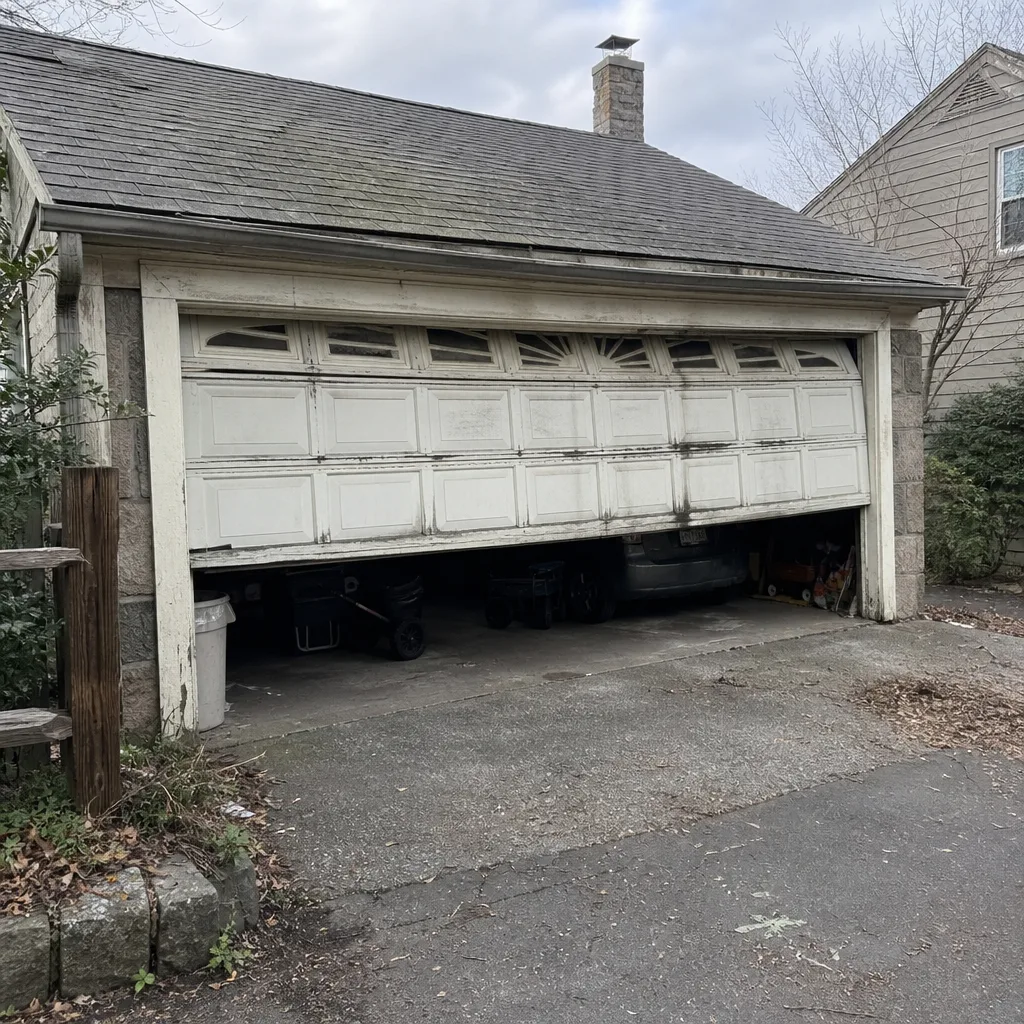 Before
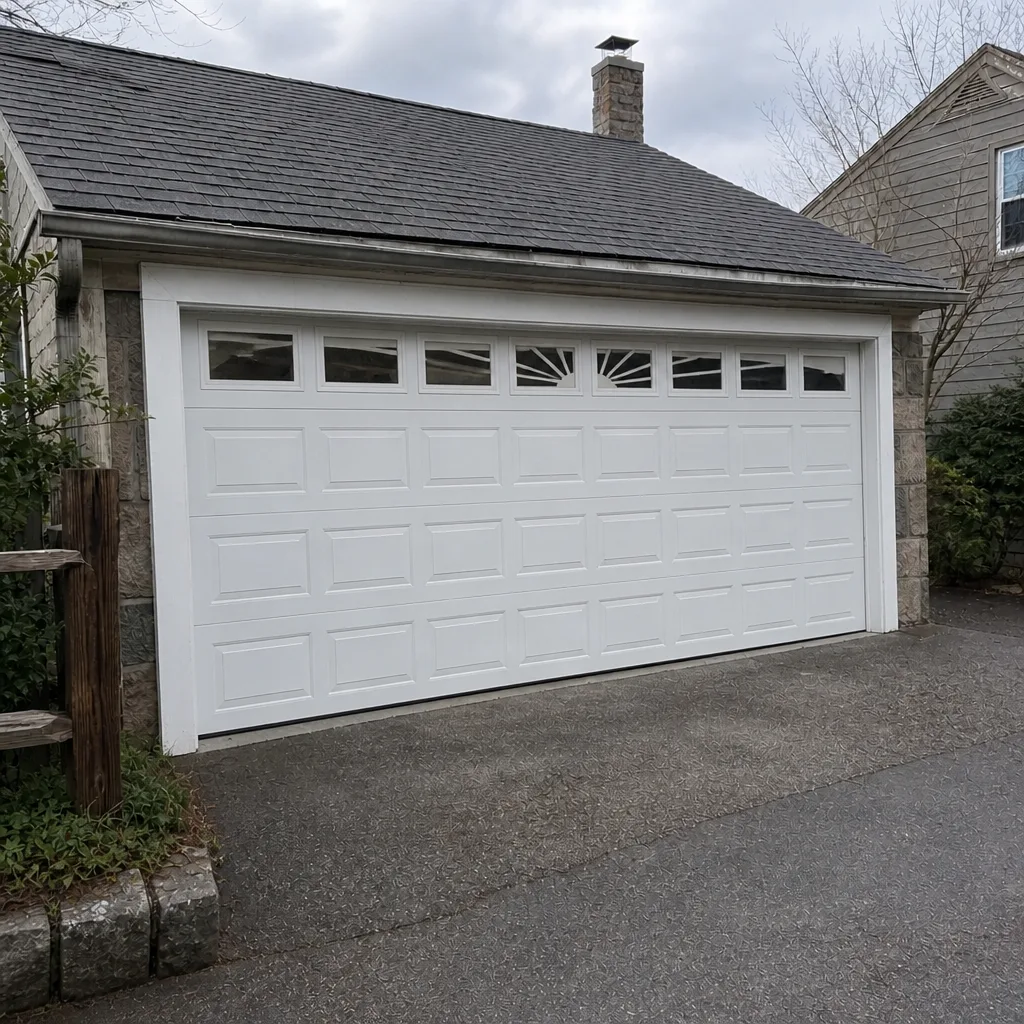 After
When to Call a Professional
Some seasonal tasks are yours to do: lubrication, visual inspection, tightening fasteners, testing the auto-reverse. Others are pro-only, and the difference matters. Call a professional if the door is out of balance, if a torsion spring or cable is broken, loose, or visibly worn, if the tracks are bent or the door binds anywhere along its path, if the opener reverses or stops on its own, or if you find rust or panel damage beyond a light surface touch-up. The spring and cable system is under extreme tension, and it’s not a DIY component. Neither is opener wiring. For everything else, we can work with you to figure out whether it’s a repair or something bigger.
Clover Garage Door Service offers free estimates in Stamford – call (855) 632-3568. We answer 24/7. Fast dispatch from 7am to 7pm, Sunday through Friday. Our technicians have up to 8 years of experience, and they work on the LiftMaster, Chamberlain, Genie, Clopay, Amarr, Wayne Dalton, Craftsman, and Raynor systems you already own.
Frequently Asked Questions
Start in October or early November, before the first hard freeze. The test is the weather, not the date. As soon as overnight temperatures are consistently near freezing, the window has closed and the door is already under contraction stress. Call (855) 632-3568 if you want a pre-winter check – estimates are free.
Twice a year is the practical baseline: once in October or November before the freeze, and a light re-application in June as humidity builds. That schedule matches the two seasons where friction and rust actually cause problems here. Call (855) 632-3568 if you’re not sure what your door needs.
Cold temperatures contract the springs, thicken the lubricant, and stiffen every moving part, so friction goes up and the door gets louder. If the noise is new this winter and the door was fine in fall, it’s usually a lubrication and inspection issue, not a broken part. A grinding or banging noise is different – that’s worth a professional look. Call (855) 632-3568 to book an inspection.
Check hardware for loosened fasteners, tracks for alignment, the bottom seal for winter damage, and the panel edges for early rust. Re-test the door’s balance and run the full safety sequence. Freeze-thaw works on every seam and fastener, so spring is the recovery inspection. Call (855) 632-3568 if anything comes up borderline.
Humid July and August air holds moisture against metal for long stretches, so untreated hinges, rollers, springs, and panel edges rust faster here than in drier inland areas. Light re-lubrication in June and a periodic wipe of the lower panel edges keeps rust from getting a foothold. If you see rust that’s spread beyond a light surface touch, call (855) 632-3568 for a repair estimate.
Test the manual release, check panel integrity for loose or separating panels, inspect the bottom seal and side weatherstripping for water-intrusion points, and clear the apron so water drains away from the door rather than pooling. Those four checks cover the most common storm failures. If the manual release is stuck or the door is too heavy to lift by hand, call (855) 632-3568 before the storm, not during it.
The Bottom Line
Seasonal garage door care in Stamford works best when it’s tied to the weather events that actually stress the door, not to a fixed calendar. The two windows that matter most are the pre-winter stretch in October and November, when you lubricate and tighten before the freeze, and the spring thaw, when you re-inspect everything the winter loosened. Between those, the summer humidity stretch is where rust gets its start, and the storm checklist is a two-minute investment before any major system. Timing beats frequency. And when something falls outside the checklist, a trained specialist is worth the call.
Whatever the season, Clover Garage Door Service is here to help with a free estimate on your garage door repair, opener repair, or installation. Call (855) 632-3568. We answer 24/7, with fast dispatch from 7am to 7pm, Sunday through Friday.
Ready to book a seasonal inspection or talk through a repair? Reach Clover Garage Door Service at (855) 632-3568 for a free estimate in Stamford. Your opener, your door, our expertise.
Written by the team at Clover Garage Door Service.