
Last updated November 15, 2026
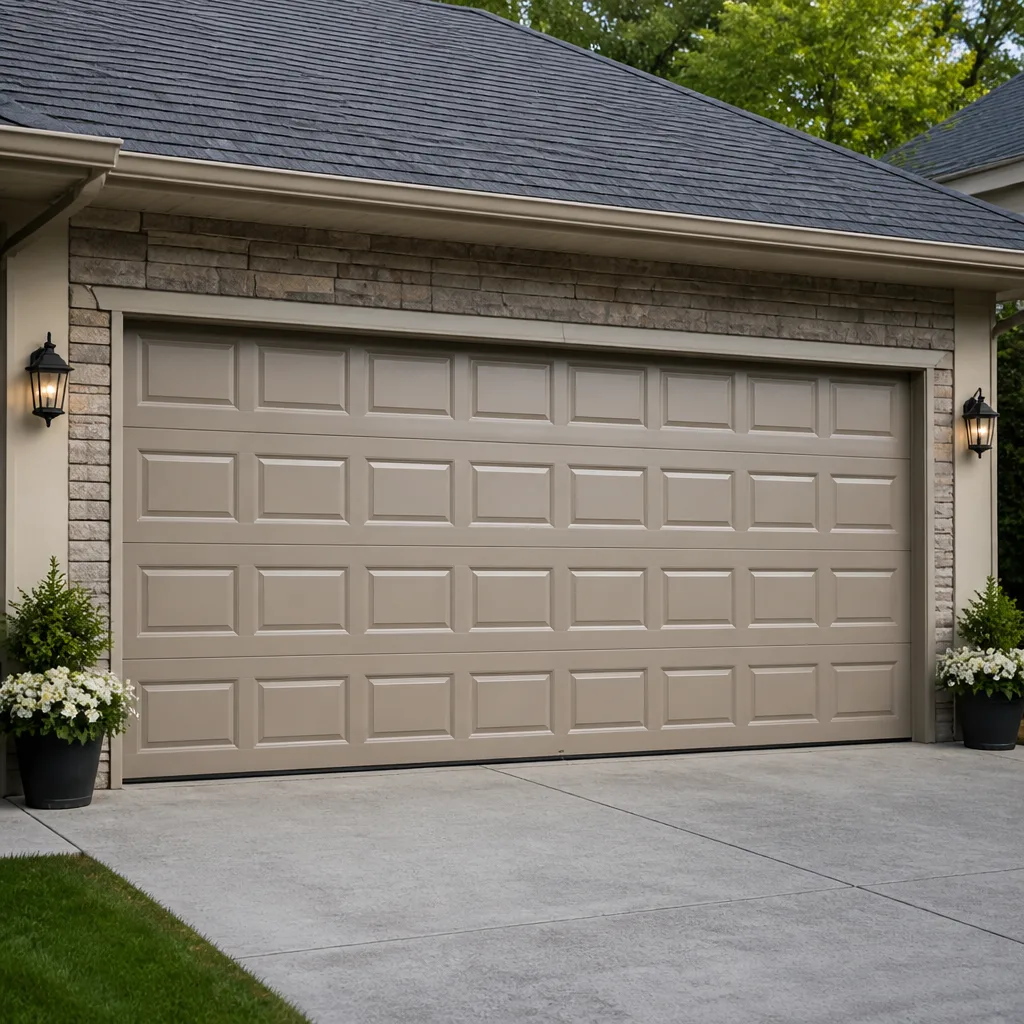 Raised-panel steel
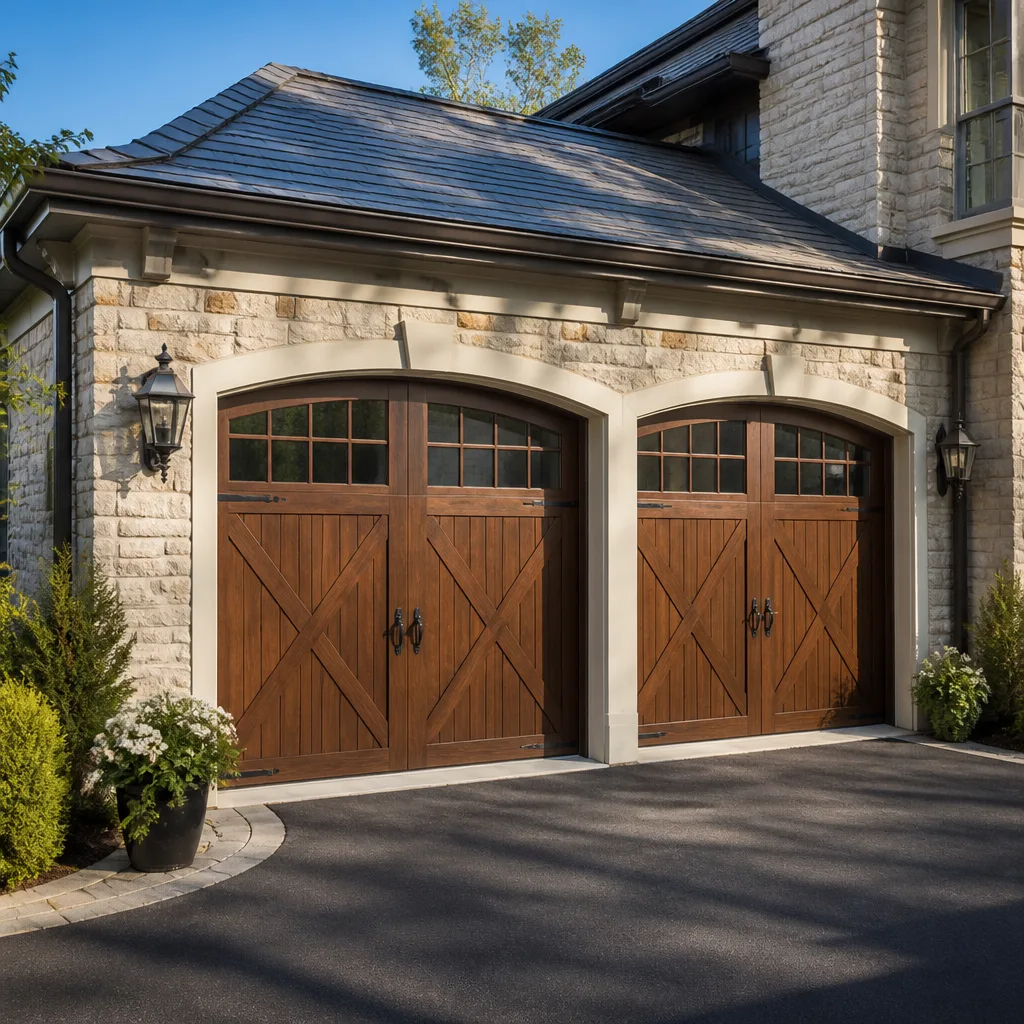 Carriage house
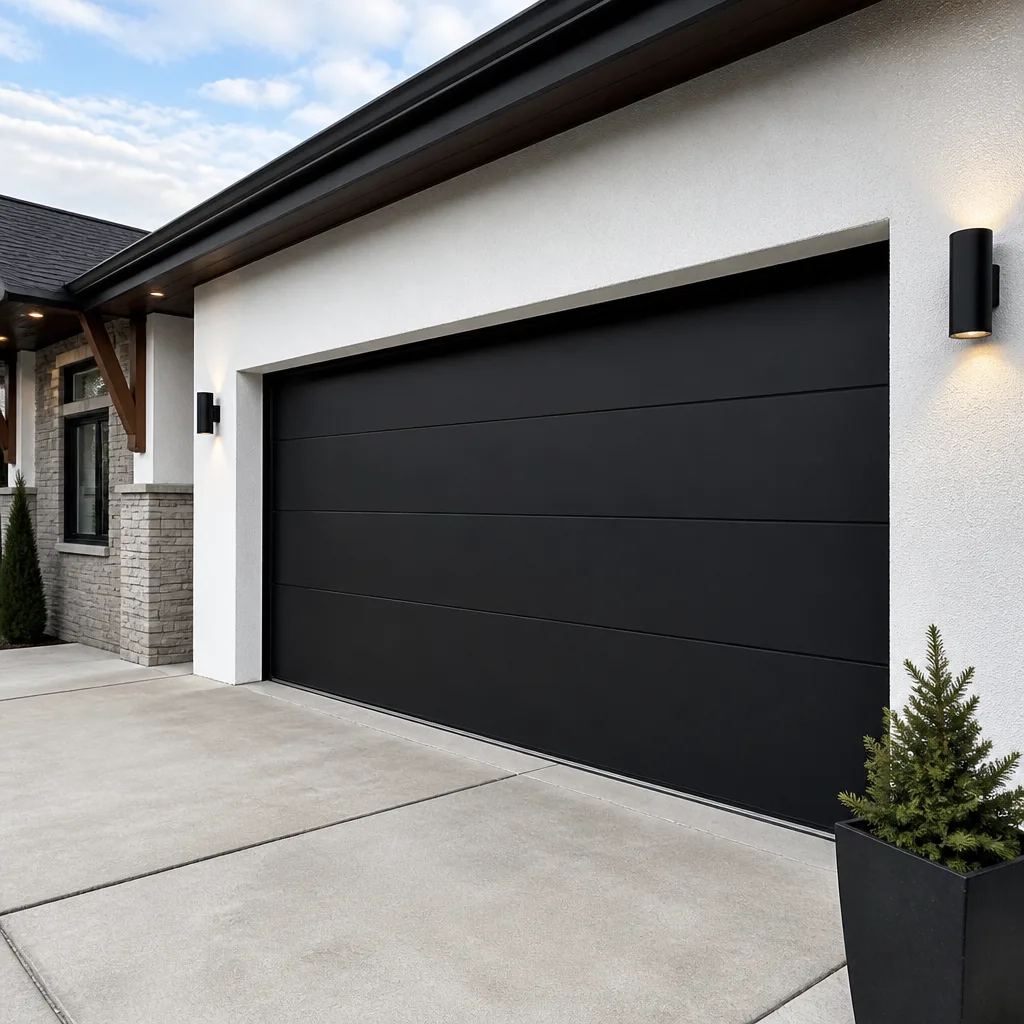 Modern flush
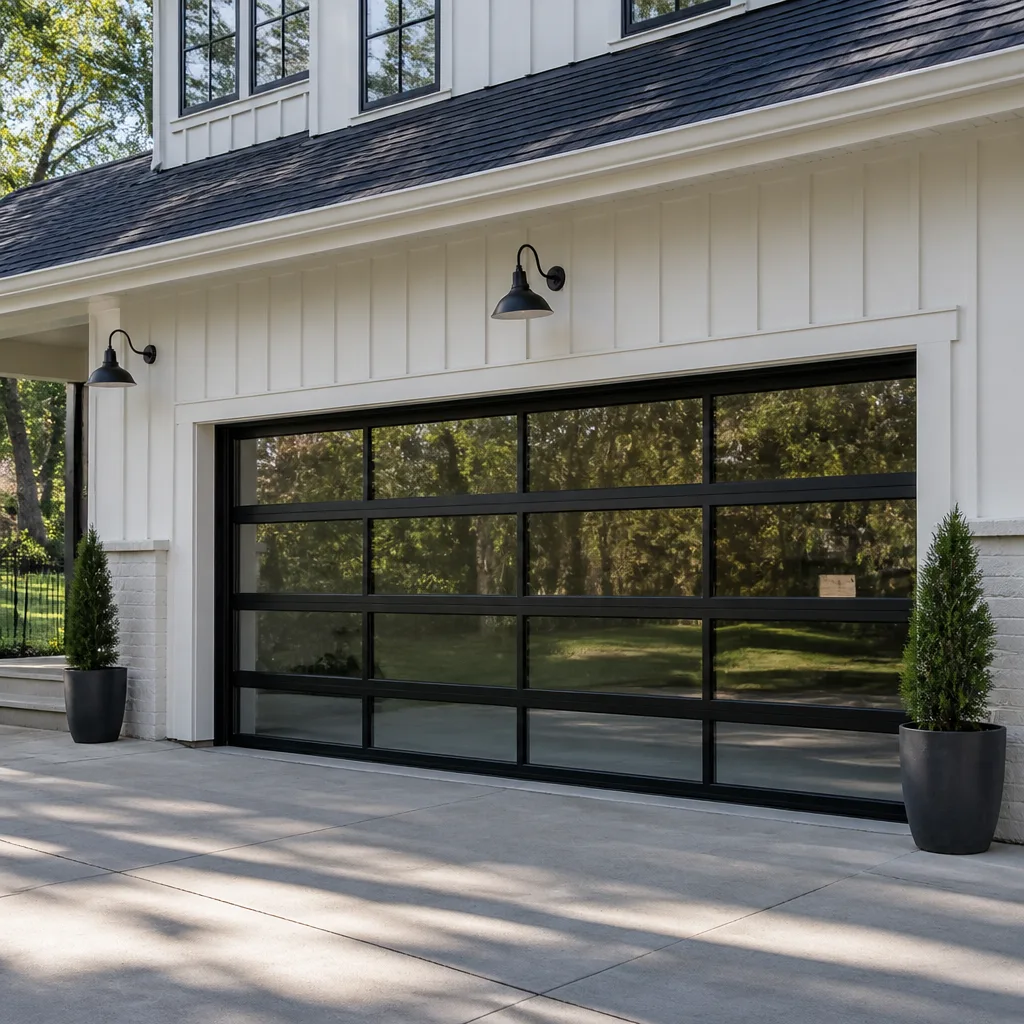 Full-view glass
 LiftMaster openers
 Chamberlain openers
Full 25-point door and opener safety check with every visit - springs, cables, rollers, tracks, and your LiftMaster or Chamberlain opener included
You get a price before we start. It does not change when the pro arrives.
Get your free estimateChoosing the Right Garage Door Brand: A Buyer’s Guide for Stamford
The name on the label is usually the last thing that should decide your purchase, yet it’s the first thing most sales conversations lead with. Two garage doors sitting at the same showroom price can carry completely different steel gauges, insulation values, primer systems, and spring ratings. Only one of those specs tends to show up in an ad. In Stamford, where a garage door faces real seasonal swings between humid summers and freezing winters, the construction behind the brand logo determines how long the door actually lasts. This guide walks through the five spec-sheet numbers that predict longevity, where each major brand is manufactured, how warranties exclude the parts that fail first, and how to choose a door that fits Stamford without being locked into one manufacturer’s catalog.
Quick Answer
The right garage door brand for most Stamford homeowners is the one whose steel gauge, insulation R-value, primer system, bottom seal, and spring cycle rating match their actual use – not the brand with the biggest ad budget. Raynor, Clopay, and Amarr all build doors that hold up well in Connecticut’s freeze-thaw climate, but the deciding factor should be whether the brand has local parts and multi-dealer service coverage in Fairfield County, not the logo on the panel.
Styles & brands we work with
- Raised-panel steel
- Carriage house
- Modern flush
- Full-view glass
- LiftMaster openers
- Chamberlain openers
Table of Contents
- The 5 Specs That Actually Predict Garage Door Longevity
- A Brand-Agnostic Look at Major Garage Door Brands
- Why Single-Brand Dealers Can Limit Your Future Service Options
- When Premium Brands Are Worth the Extra Money
- Matching Door Style to Stamford Neighborhoods
- How to Choose a Garage Door Brand: Step by Step
- How Climate Affects Garage Door Selection in Stamford
The 5 Specs That Actually Predict Garage Door Longevity
The brand printed on your garage door panel matters far less than what’s inside it. Five numbers on a spec sheet tell you almost everything about how a door will perform over the long haul in Stamford’s climate. Ignore them and you’re buying based on the color swatch and the sales pitch.
- Steel gauge. A lower gauge number means thicker steel. A 24-gauge door is common in mid-tier models; 25 to 26-gauge shows up in cheaper builds. Thicker steel resists denting from a stray basketball and holds its shape through years of cycling. For a two-car door facing a busy Stamford driveway, gauge is the first number to check.
- R-value. This measures how well the door resists heat flow. An uninsulated single-layer door has virtually none. A door with a polyurethane core reaches far higher. If you’re using the garage as a workshop, mudroom, or gym, insulation matters more than brand. If it’s just parking and storage, it matters less.
- Primer type. Steel doors are primed to fight rust. A factory-applied baked-on polyester primer bonds tighter and lasts longer than a spray-applied primer. In a place with wet winters and humid summers, primer quality determines whether the bottom panel starts showing rust after a handful of seasons.
- Bottom seal material. The rubber or vinyl seal along the bottom edge is what keeps water, snowmelt, and cold air out of your garage. Cheap hollow vinyl cracks within a few winters. Solid EPDM rubber holds up through freeze-thaw cycles much better. This is a small part that causes big problems when it fails.
- Spring cycle rating. A torsion spring rated for 10,000 cycles is standard; 15,000 and 20,000-cycle options exist. The cycle rating tells you how many open-close cycles the spring should last before it needs replacing. For a Stamford household that cycles the door four times a day, the math is easy.
None of these specs are secrets. Every manufacturer publishes them somewhere in the product literature. The trick is asking for them before you sign, rather than after the door’s already hung. When we quote a repair or replacement for a Stamford homeowner, we’ll walk through exactly which of these numbers your current system is running and where a replacement would improve it.
If winter snow and rain keep finding their way past the bottom of your door, the seal may already be the weak link. We see it often enough that we recommend homeowners check that one part before spending money on anything else.
A Brand-Agnostic Look at Major Garage Door Brands
Most garage door brands are better than their reputation and worse than their marketing. A brand-agnostic view helps you separate the two. Here’s where the brands we most often service in Fairfield County actually come from and what each does well.
Where the major brands are manufactured
- Clopay. Based in Ohio and one of the largest US garage door manufacturers. A wide catalog of styles, insulation levels, and price points. Distribution across Connecticut is deep, which matters when you need a replacement panel in a hurry.
- Amarr. Also based in the Midwest. Known for a solid mid-market door with good insulation options at a fair price. Often the practical choice for a Stamford homeowner who wants decent construction without moving into the premium tier.
- Raynor. Builds in the US with a reputation for sturdy hardware and reliable torsion spring systems. Their doors tend to have clear spec sheets, which makes comparison shopping easier.
- Wayne Dalton. Broad national reach, with manufacturing here in the US. Their lineup covers everything from basic single-layer doors to insulated models. Service network in Connecticut is solid.
- LiftMaster and Chamberlain. These are opener brands (both under the same parent company) rather than door brands, but they dominate the residential opener market. The reason this matters for door selection: an opener and a door have to work together. A sturdier door with heavier build sometimes needs a stronger opener, and the specs have to line up.
- Craftsman. Historically sold through Sears; the opener line is one of the most common in older homes around Stamford. Parts availability has narrowed in some areas, which is worth knowing before committing to a Craftsman opener repair on a very old unit.
- Genie. A long-running opener brand, common in both older and newer homes. Widely serviced, with replacement parts generally easy to source.
What the warranties exclude
Warranties are where brand differences get real. Almost immediately:
- Labor is rarely covered beyond the first year or two.
- Springs are often excluded, or covered for a shorter window than the door itself.
- Damage from weather events, impact, or improper installation usually voids coverage.
- Cosmetic wear – dents, scratches, faded paint – is typically excluded.
- Coverage may require a certified installer, so a door bought from one dealer and installed by a third party could be left outside full warranty protection.
Read the exclusions before you buy the door. A generous-sounding 20-year warranty that excludes springs and labor isn’t much protection when the spring is what fails first.
Why Single-Brand Dealers Can Limit Your Future Service Options
Buying from a single-brand dealer has one obvious advantage: that dealer knows the product line inside and out. It also has a quiet trade-off. When the dealer only sells one brand, that brand’s design, pricing, warranty terms, and design catalog are the only options you’ll ever be shown. And when you need a repair years later, you’re relying on the same dealer’s schedule and availability.
Here’s how to evaluate whether a brand has genuine multi-dealer coverage in Fairfield County before you commit:
- Ask how many independent dealers in the area service that brand. One dealer means one schedule. Multiple dealers means options when you need a repair and one shop is booked.
- Ask if parts are available outside the dealer network. Some controllers, remotes, and safety sensors can only be sourced through authorized dealers. Others are widely available.
- Check whether the brand’s local distribution reaches Fairfield County. A manufacturer with distribution in Connecticut can often supply replacement panels and components faster than one where the nearest warehouse is several states away.
- Confirm the installer is certified. Some warranties require it. Ask to see the certification language in writing, not just a verbal promise.
- Look for a service provider that handles multiple brands. That’s the thing that protects you from being locked in when you move, add a door, or need a repair quickly.
This is a big part of why we take a brand-agnostic approach at Clover Garage Door Service. We service systems from Craftsman, Raynor, LiftMaster, Chamberlain, Genie, Clopay, Amarr, and Wayne Dalton, so we have no incentive to steer you toward one brand over another. When we quote a new door for a Stamford homeowner, the recommendation is based on the specs, not on what we happen to stock.
When your child accidentally dents a bottom panel or the torsion spring reaches the end of its cycle, you’ll be calling someone for garage door repair. Having more than one brand-qualified option in town is what keeps that repair quick and reasonably priced.
When Premium Brands Are Worth the Extra Money
Premium brands cost more. Sometimes the difference is worth every dollar. Other times a mid-tier door does the exact same job for the same household over the same twenty years.
Premium is usually worth it when:
- The door is on the front of the house and seen by everyone. Carriage-house or high-end wood-look designs from Clopay or Raynor are worth the upper-tier spend if curb appeal matters to you.
- The garage is part of the living space. If you use the garage as a gym, workspace, or extended mudroom, insulation and fit matter, and premium insulated doors deliver on both. Look at the R-value carefully.
- The door is unusually large or heavy. Wider doors and heavier builds need stronger hardware and springs. Premium brands tend to build those systems to a higher spec.
- You plan to stay for decades. A well-made door with a high cycle rating and solid primer can outlast a cheaper one by a wide margin. The math works in the long run if you’re not moving.
Mid-tier usually performs identically when:
- The garage is just for parking and storage.
- The door is a standard single or double size.
- The house is a starter home or rental.
- You’d rather spend the difference on a solid opener and maintenance than on a designer panel.
For most Stamford homeowners, a mid-tier insulated door from Amarr or a similar brand is going to perform beautifully for the time they own the house. There’s no shame in choosing it, and no benefit to overspending on a door you’ll never really look at.
Matching Door Style to Stamford Neighborhoods
The right door style depends on the house, the street, and what you want the front of the home to say. Stamford neighborhoods range widely in architectural character, so there’s no single answer. But there are useful patterns.
In the older, established neighborhoods around downtown and near the water’s edge, homes tend to lean traditional. Raised-panel steel doors with a carriage-house look tend to fit cleanly. Windows on the top panel soften the look of a plain two-car door without going full custom.
In the newer residential areas and townhome communities around North Stamford, styles are more contemporary. Flush-panel doors with a clean horizontal or vertical groove pattern often look better than anything with raised paneling. Clean lines work with modern siding.
Glenbrook and Springdale have a nice mix: older Victorians, mid-century ranches, and more recent builds. That’s where a classic raised-panel door in a neutral color tends to do the most work without fighting the architecture.
The important thing is not to let the design catalog of a single brand lock you into one aesthetic. Clopay and Wayne Dalton both offer wide style ranges, and Raynor has strong traditional options. But if a brand’s catalog doesn’t have what fits your house, that’s a reason to look at what else is available, not a reason to change the look of your house to fit the catalog.
A quick way to match style to house
- Look at the house across the street and one door down. You’re not trying to copy them, but the visual rhythm matters. A door that clashes with the whole street stands out badly.
- Match panel type to the house’s era. Raised panel for traditional, flush for contemporary, carriage style for the in-between homes and for anyone who loves the classic look.
- Pick a color from the existing trim. The door doesn’t have to match the siding, but it should look related. Warm whites and soft grays are safe choices.
- Add windows sparingly. One row on the top panel is often the cleanest choice. Too many windows can fight the front of the house.
- Confirm the style is available in the spec you actually want. Some designs only come at specific insulation levels. Match the style to the construction, not the other way around.
When we’re working with a Stamford homeowner on a new door, we usually walk through this list together before anyone opens a catalog. The style decision should come before the brand decision, not after.
How to Choose a Garage Door Brand: Step by Step
Here’s a practical sequence to follow if you’re starting from scratch. It works whether you’re replacing an old door, choosing a door for a new build, or adding a second door to a detached garage.
- Write down how you actually use the garage. Just parking? Workshop? Extra storage? How many times a day does the door cycle? That single answer tells you a lot about how much insulation and cycle rating you need.
- Measure the opening and note the headroom and sideroom. The size of the opening and the clearance around it will narrow the brand and model options before anything else does. A standard 8-foot-high double door opens up the widest range.
- Decide on the specs you want before you talk to anyone. Steel gauge, insulation R-value, primer, seal material, spring cycle rating. Write them down. Any door you’re considering that doesn’t meet those specs, you walk away from, regardless of brand.
- Check whether the brand has multi-dealer coverage in Fairfield County. Ask how many area service providers handle it. That’s the number that determines how easy future repairs will be.
- Read the warranty exclusions carefully. Springs, labor, impact damage, cosmetic wear. Know what’s actually covered before you sign.
- Match the design to the house and the street. Style follows house, not brand logo.
- Confirm the opener compatibility. An existing garage door opener repair or upgrade has to work with the door you pick. LiftMaster and Chamberlain both have strong residential compatibility, but a heavier premium door sometimes needs an opener upgrade to cycle smoothly.
- Ask for the specs in writing before you commit. A verbal pitch isn’t the same as a spec sheet. Any reputable dealership can produce the numbers.
How Climate Affects Garage Door Selection in Stamford
Stamford gets real seasonal swing. Hot, humid summers give way to cold winters with regular freeze-thaw cycles. A door that spends decades in this climate needs to handle moisture on both ends of the thermometer.
Humidity matters more than most homeowners expect. Steel doors with a weak primer can start showing rust along the bottom edge and the seams after several wet seasons. A door with a factory-baked primer and a solid EPDM bottom seal handles humidity far better than a cheap spray-primed door with a hollow vinyl seal.
Winter is the other half of the picture. When temperatures drop, steel panels contract, paint flexes, and seals harden. A bottom seal that gets brittle in the cold lets meltwater seep in during the first thaw, and that water sits against the door’s bottom panel and hardware. Solid rubber seals hold up through repeated winters. Hollow vinyl doesn’t.
Springs also feel the cold. Torsion springs lose some tension in very low temperatures, which is why a door that cycles fine in June can feel heavier in January. Higher cycle ratings and quality spring stock make a measurable difference here.
For a garage door installation in Stamford, we recommend picking insulation based on whether the garage is used as living space. If it isn’t, use the money on a better bottom seal, primer, and spring rating instead. That’s the money that buys durability in a Connecticut climate.
Common Mistakes to Avoid
- Buying by brand name alone. A widely recognized brand can still sell a spec sheet with a 26-gauge panel and a weak primer. Look at the specs, not the logo on the door.
- Skipping the R-value question. A Stamford homeowner using the garage as a workshop will feel the difference between an insulated and non-insulated door within a week. Ask.
- Ignoring the bottom seal. It’s a small part that gets forgotten in the sales conversation and causes more repair calls in this climate than almost anything else. Ask what material it’s made of.
- Assuming warranty coverage includes springs. Springs are often excluded or covered for a shorter period than the door. Read the fine print before you commit to a brand.
- Letting the dealer pick the design. If the only dealer you speak to sells one brand, the design conversation will drift toward whatever’s in that catalog. Shop the design, then the brand.
- Not checking local service coverage. A brand with limited dealer coverage in Fairfield County means slower replacement parts and fewer choices when you need a repair. Ask how many dealers handle the brand before you buy.
- Buying a heavier door without checking the opener. A premium insulated door adds weight. If the existing opener wasn’t sized for it, the opener will struggle and fail early. Confirm compatibility before installation day.
See the difference
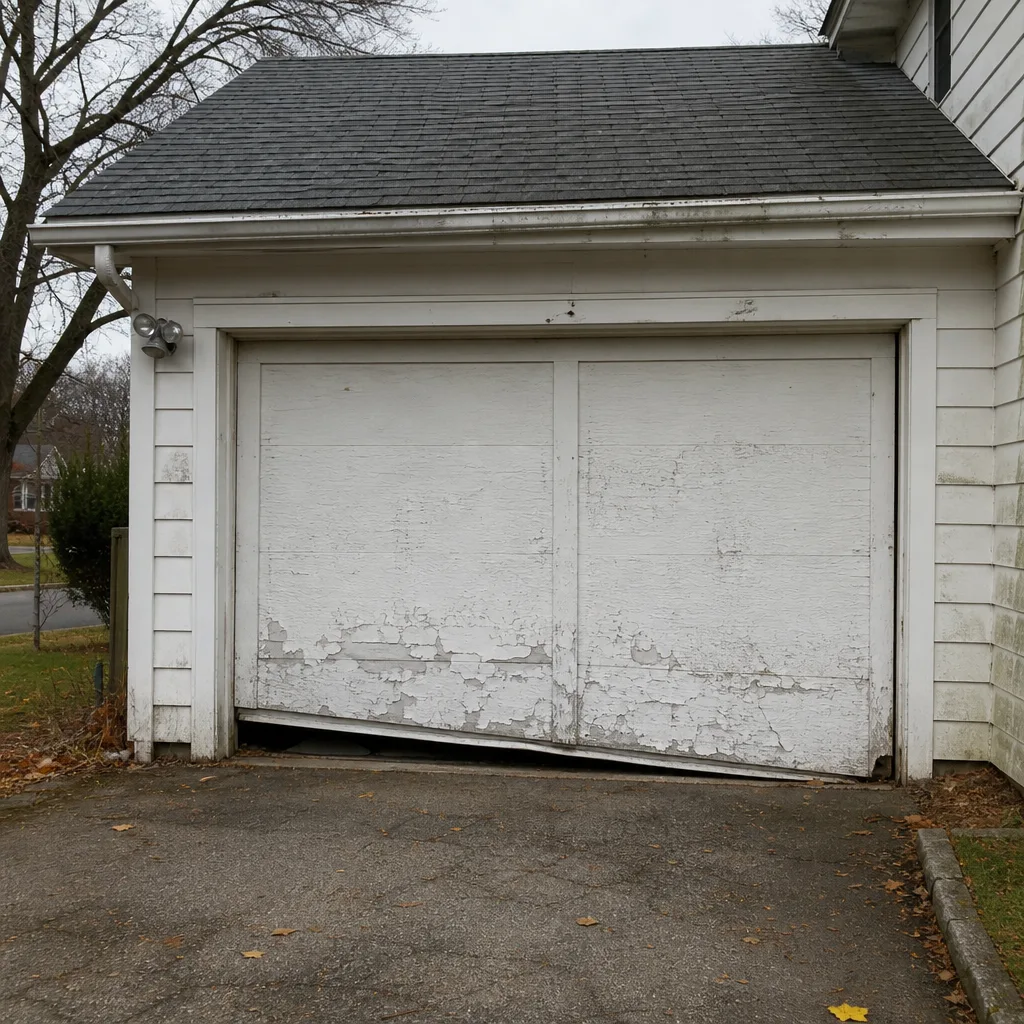 Before
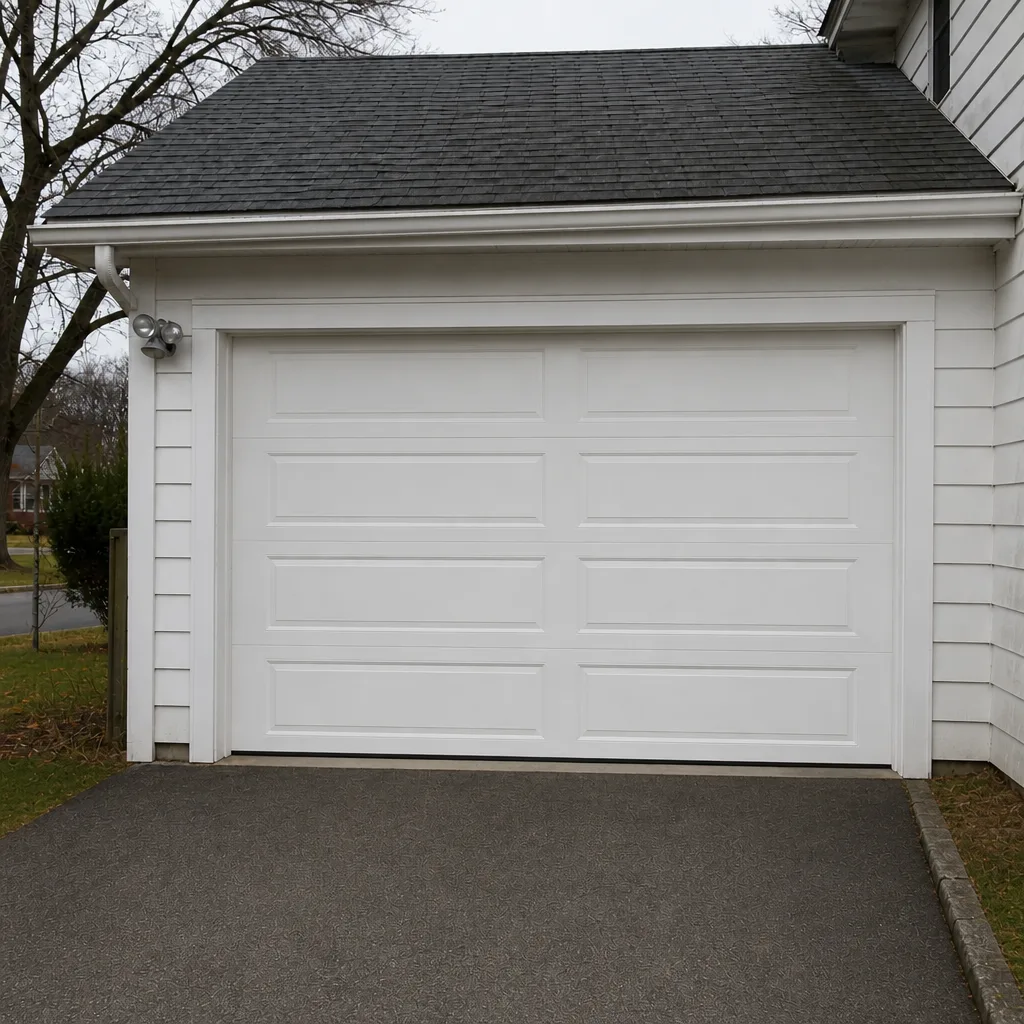 After
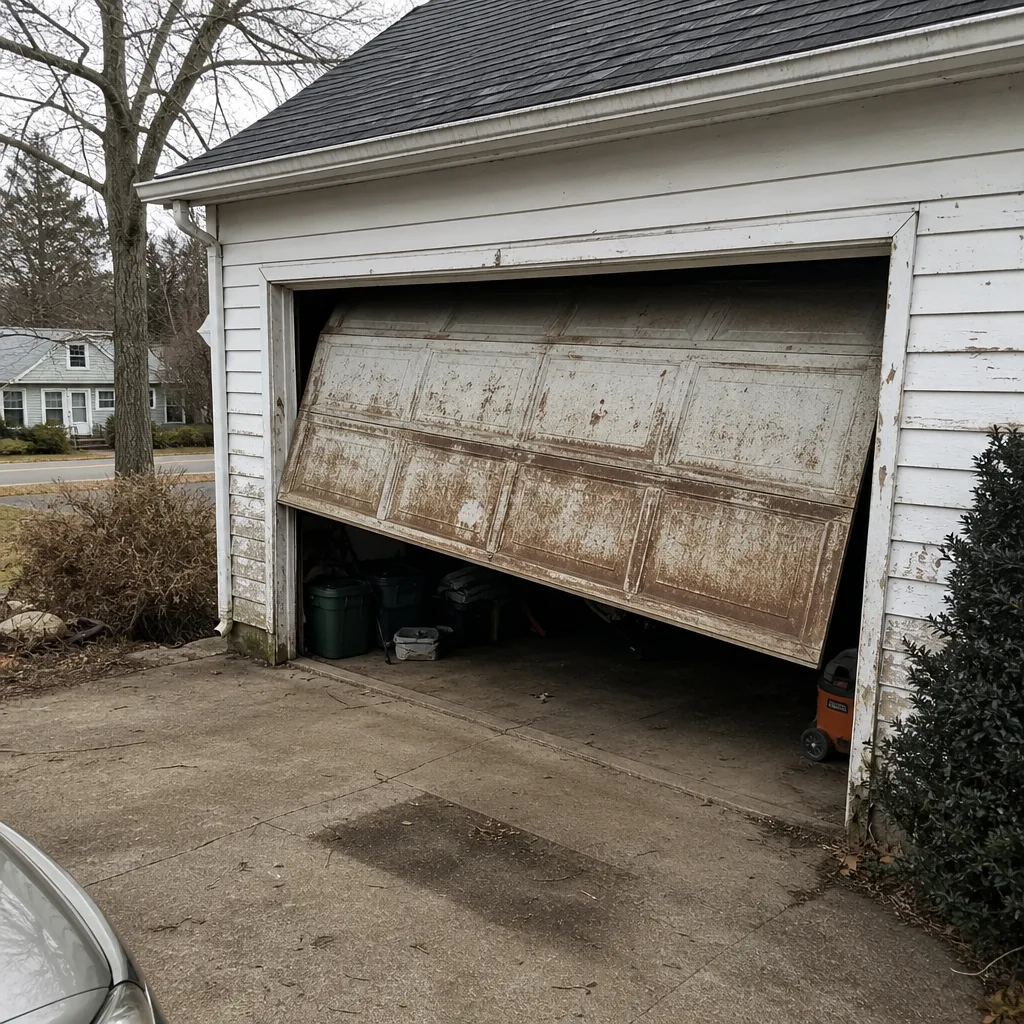 Before
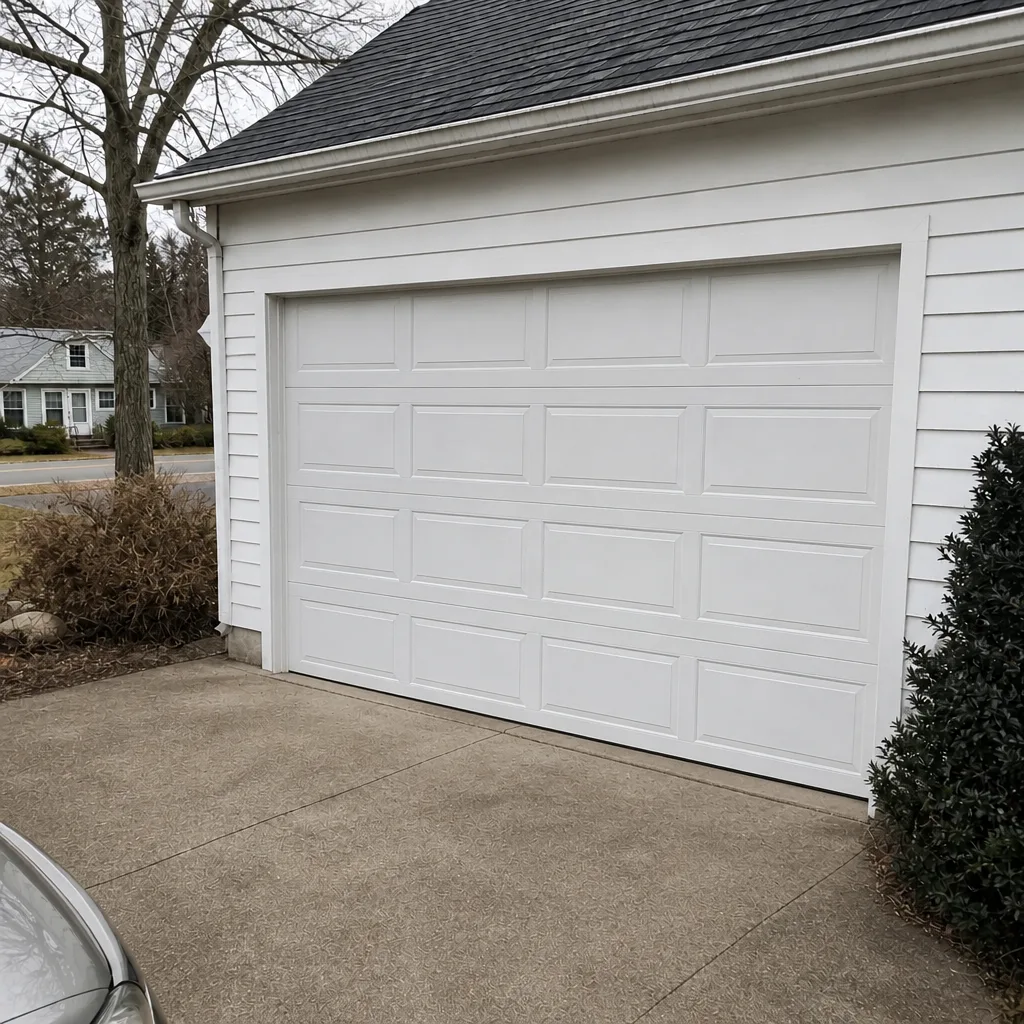 After
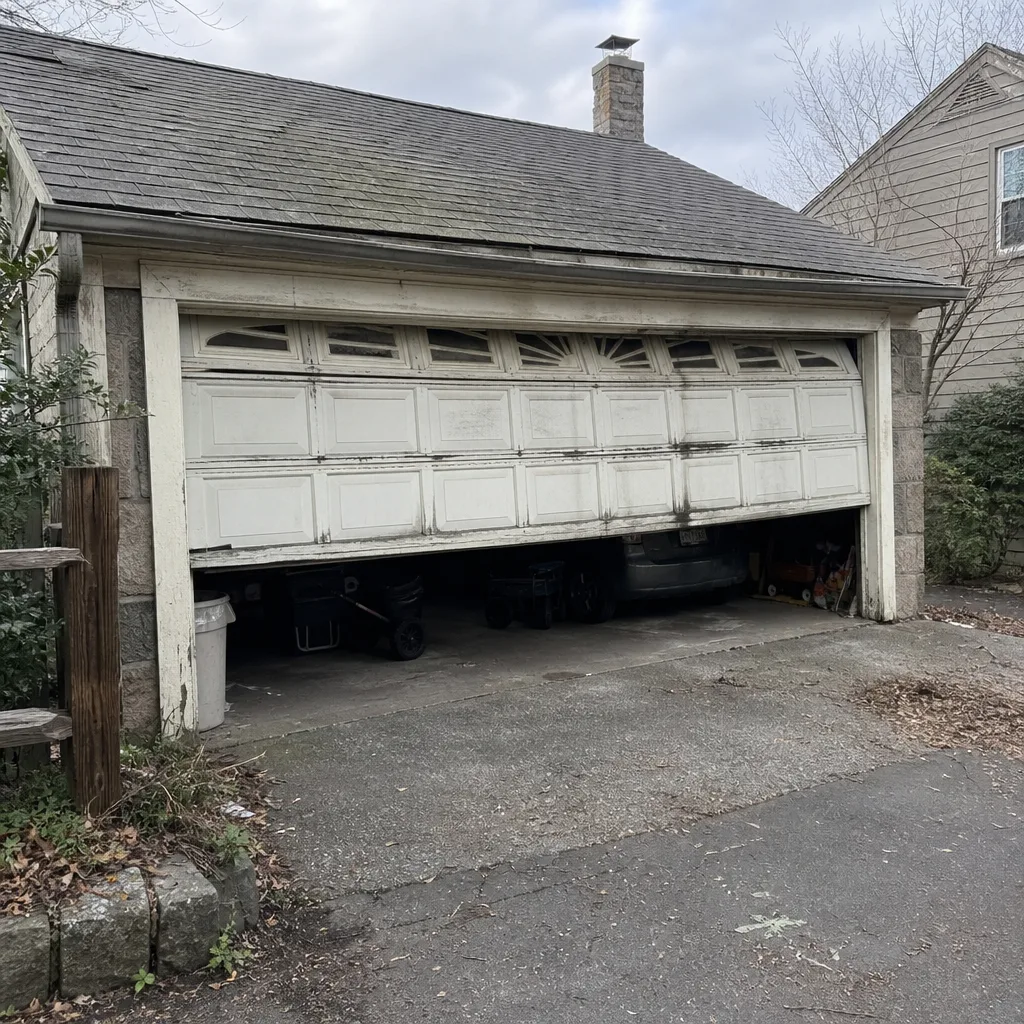 Before
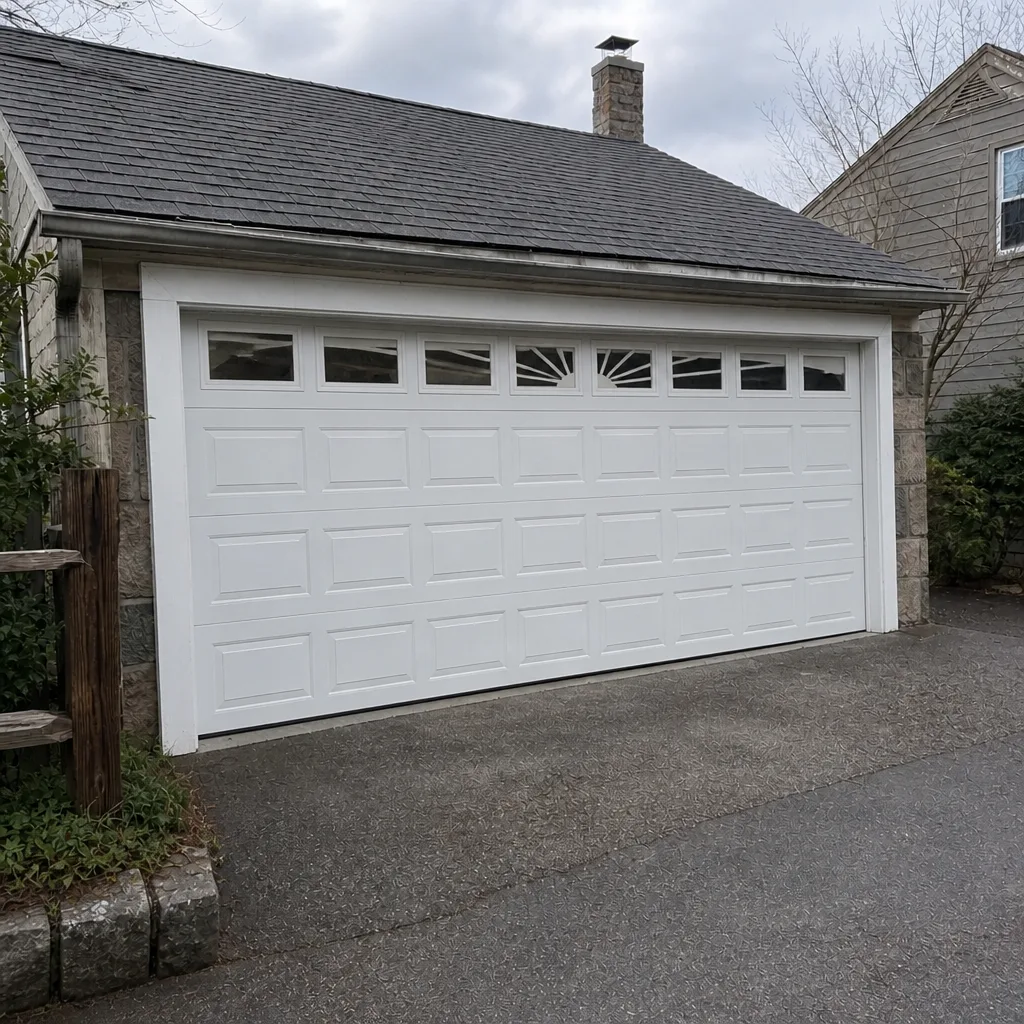 After
When to Call a Professional
Some garage door work is safe to check yourself: the bottom seal condition, the visual state of panels, whether the door feels heavier than usual when you raise it by hand, whether the weatherstripping has gaps. Call a trained professional for anything involving torsion springs, cables, and anything that requires adjusting the counterbalance system. These are high-tension parts, and a mistake can cause serious injury. The same goes for opener wiring if the electrical side looks damaged or suspicious.
If your existing door is beyond repair and you’re choosing a brand for replacement, that’s the moment to bring in someone who can talk through specifications and local service coverage. Clover Garage Door Service offers free estimates in Stamford. Our technicians have up to 8 years of experience, and we work on the brand you already have rather than pushing a specific one. Call (855) 632-3568. We answer 24/7. Fast dispatch from 7am to 7pm, Sunday through Friday.
Frequently Asked Questions
There’s no single best brand for Stamford. For most homeowners in this climate, a mid-tier insulated door from Amarr or Clopay with a factory-baked primer, solid EPDM bottom seal, and a higher cycle rating outperforms a premium door from any brand that skimps on those specs. Match construction to use, not brand to budget. Call (855) 632-3568 for an exact quote on your specific door – estimates are free.
Costs vary by door size, insulation, and hardware, so an accurate figure requires a written estimate. What we can tell you is that the price quoted and agreed before any work starts is the price you pay, and the written estimate sets the final number. Specs, not promises, drive the total. Call (855) 632-3568 for a free estimate.
No, and for most Stamford homeowners it’s better not to. A single-brand dealer will only show you their catalog and will leave you dependent on their schedule for future service. A brand-agnostic provider has no incentive to steer you toward one manufacturer. Ask any dealer you speak with how many other area providers service the brand they’re recommending.
Not always. A single-brand dealer knows their product line well, but a garage-door-only specialist that services multiple brands usually has broader diagnostic experience and fewer blind spots. We service systems from Craftsman, Raynor, LiftMaster, Chamberlain, Genie, Clopay, Amarr, and Wayne Dalton, so the recommendation is based on your house, not a dealership agreement.
Life span depends on the five specs covered above, but a well-constructed door with a solid primer, EPDM seal, and good spring rating tends to last much longer than a cheaper one exposed to the same freeze-thaw cycles. Panel paint, bottom seal condition, and spring cycle count are the three things that usually trigger a replacement.
In many cases yes, and we can explain what that means for warranty coverage in a specific case. Some warranty terms require certified installation to stay valid. We’re familiar with the certification language from the brands we service and can walk you through what applies to your situation before any work starts.
The Bottom Line
The right garage door brand for a Stamford homeowner is the one whose construction matches how the door is actually used, and whose local service coverage reaches Fairfield County. Steel gauge, R-value, primer type, bottom seal material, and spring cycle rating are the five specs that predict longevity far better than the logo on the panel. A brand-agnostic provider who services multiple manufacturers – and who specializes only in garage doors – is almost always the better long-term choice than a single-brand dealer with one catalog. Read warranties carefully. Confirm specs in writing. Then choose.
Written by the team at Clover Garage Door Service.