
Last updated November 15, 2026
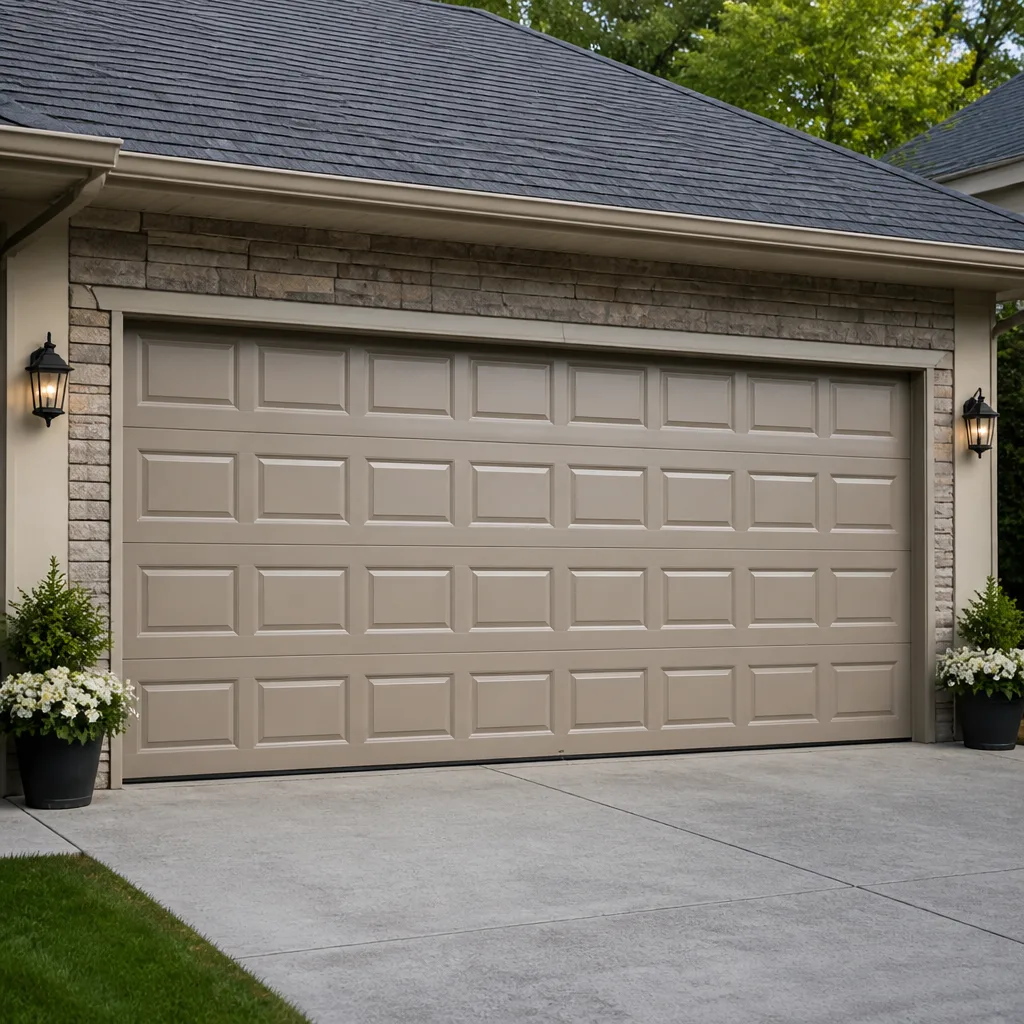 Raised-panel steel
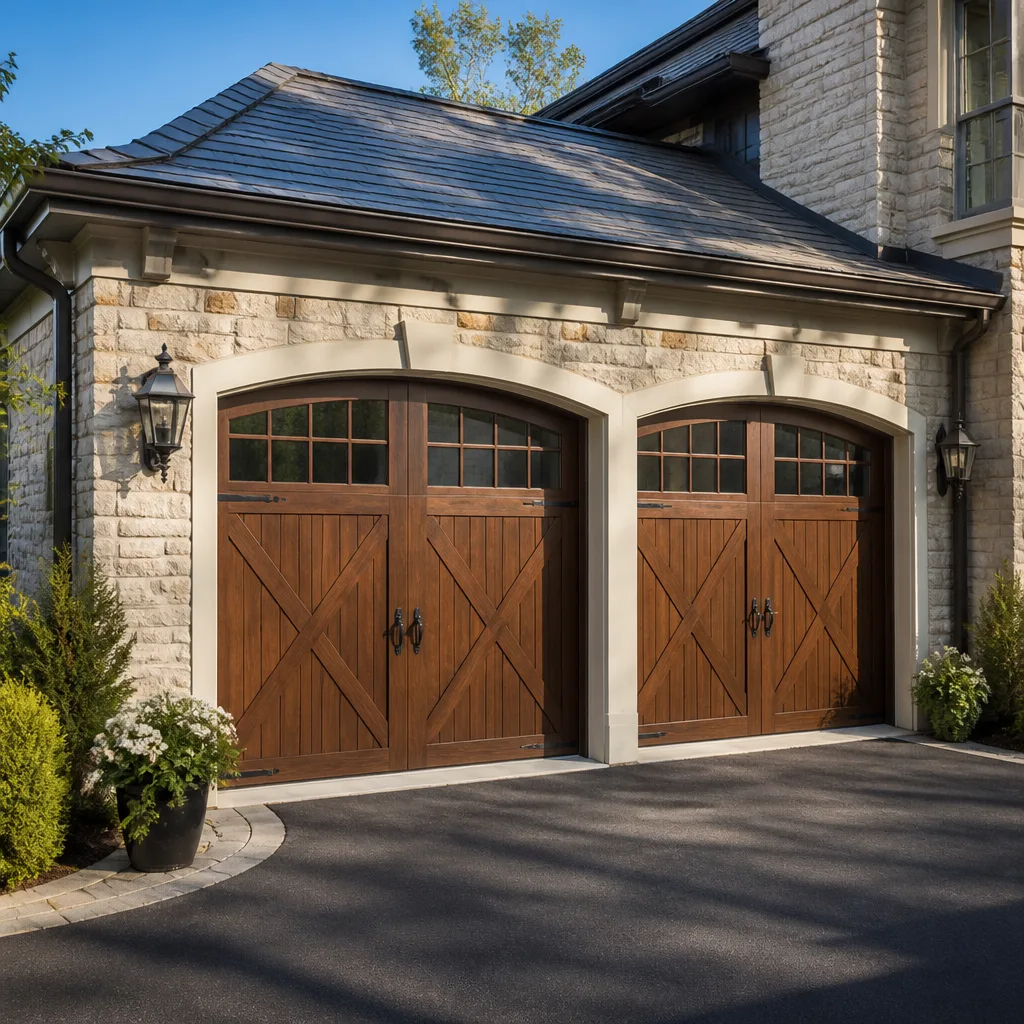 Carriage house
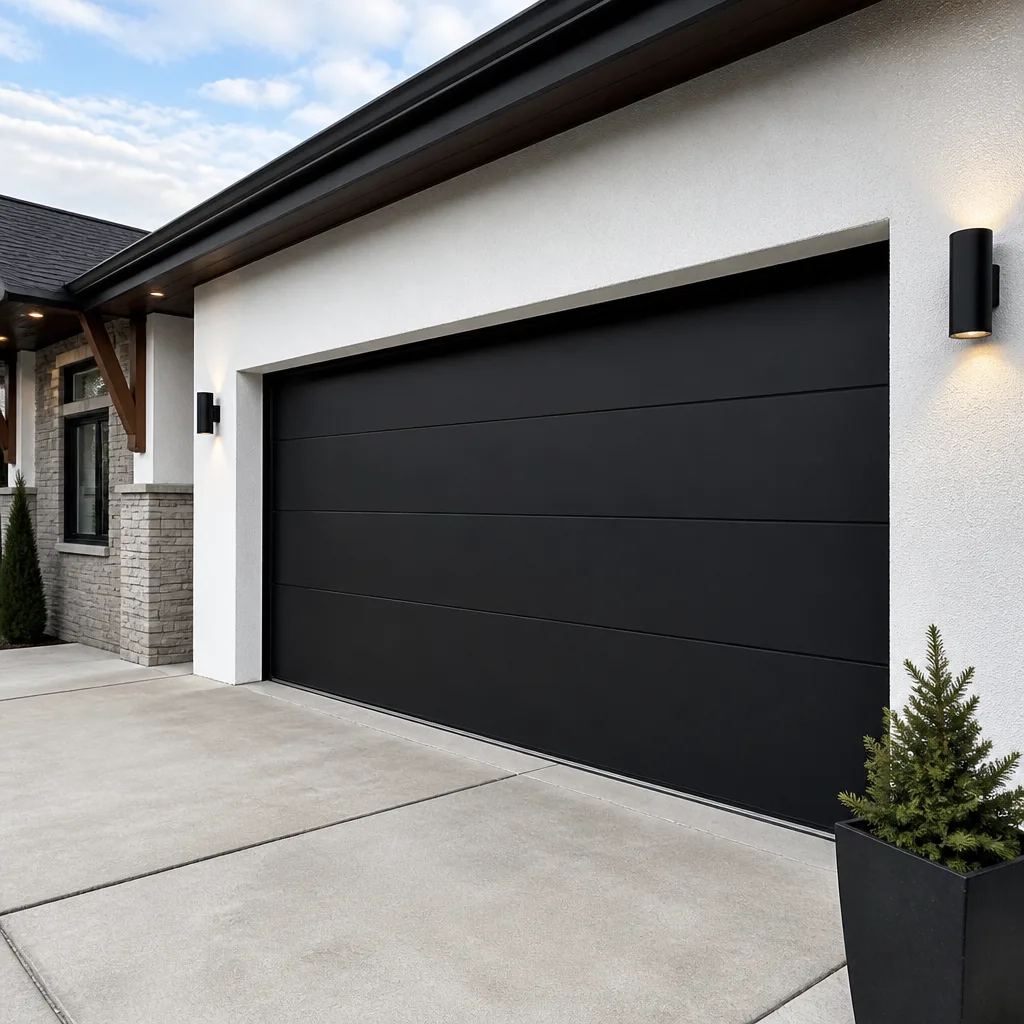 Modern flush
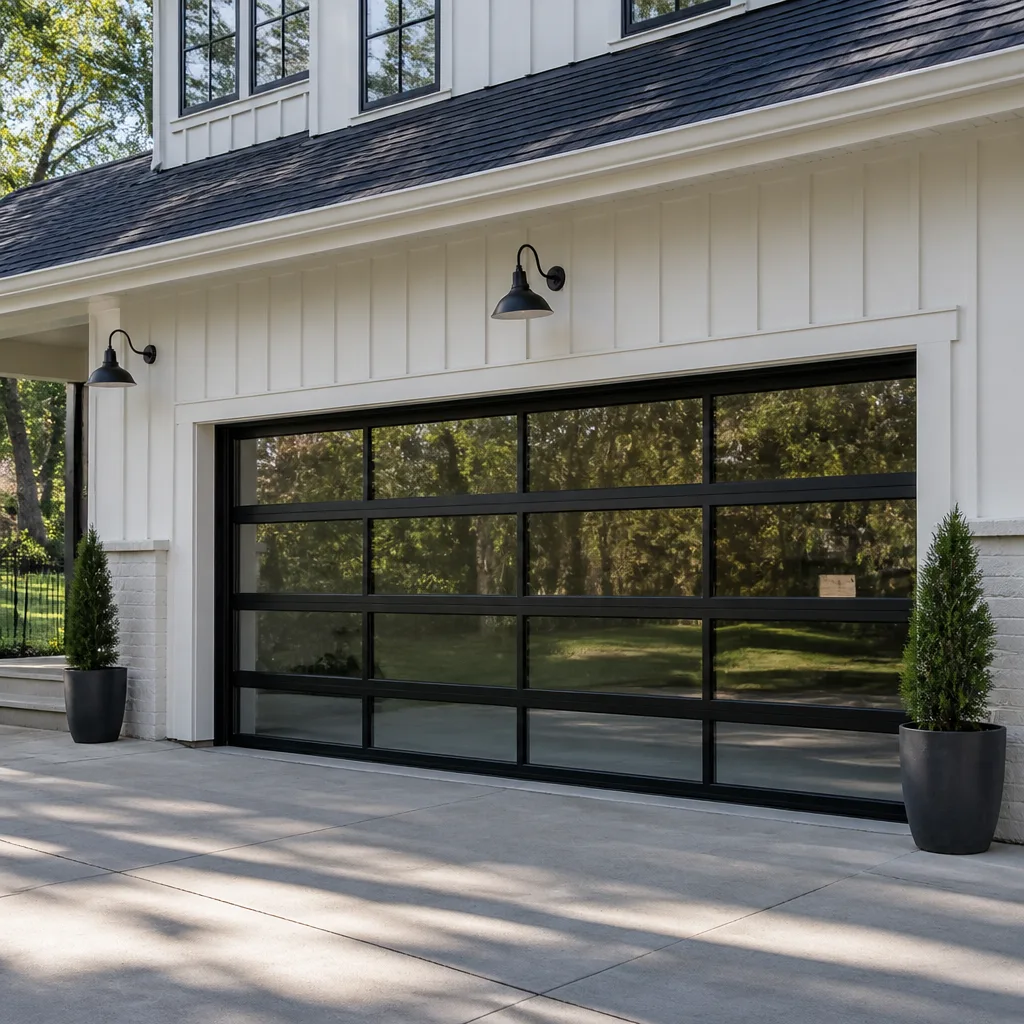 Full-view glass
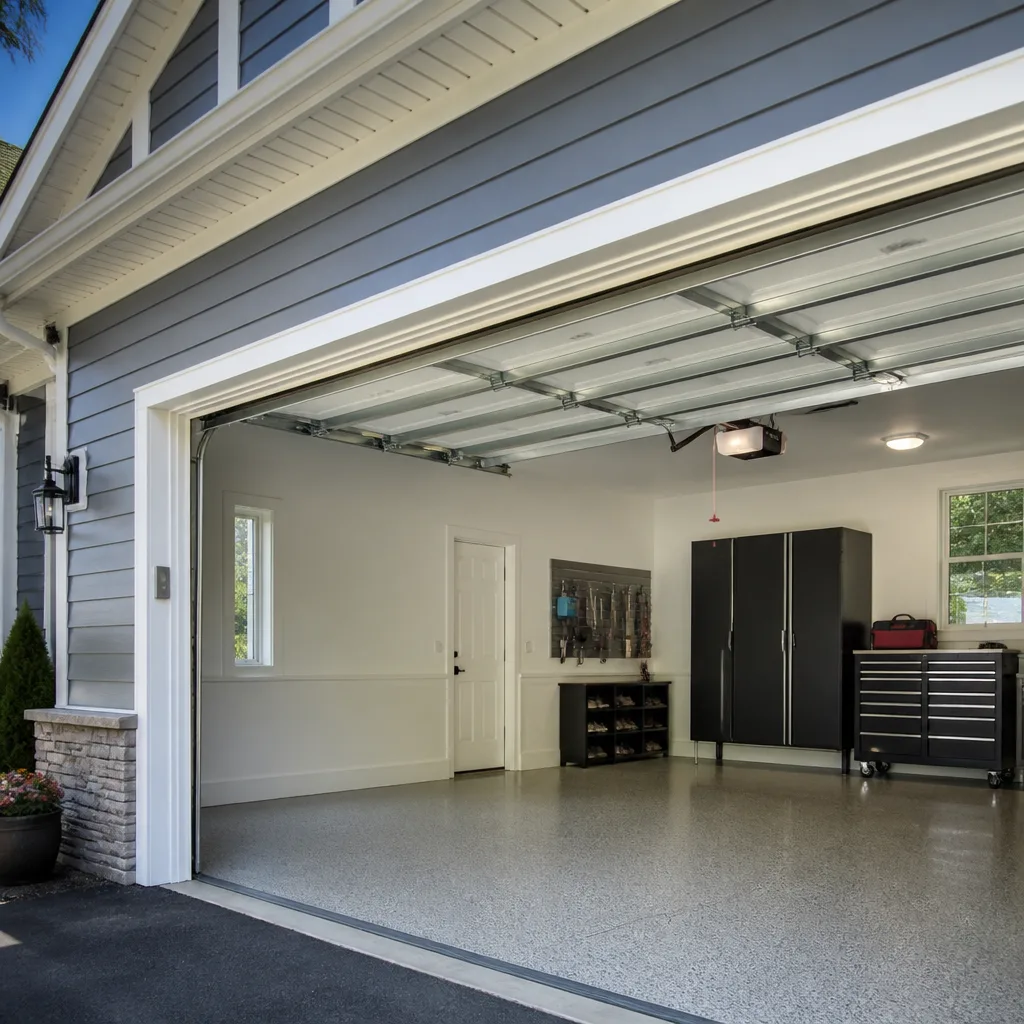 LiftMaster openers
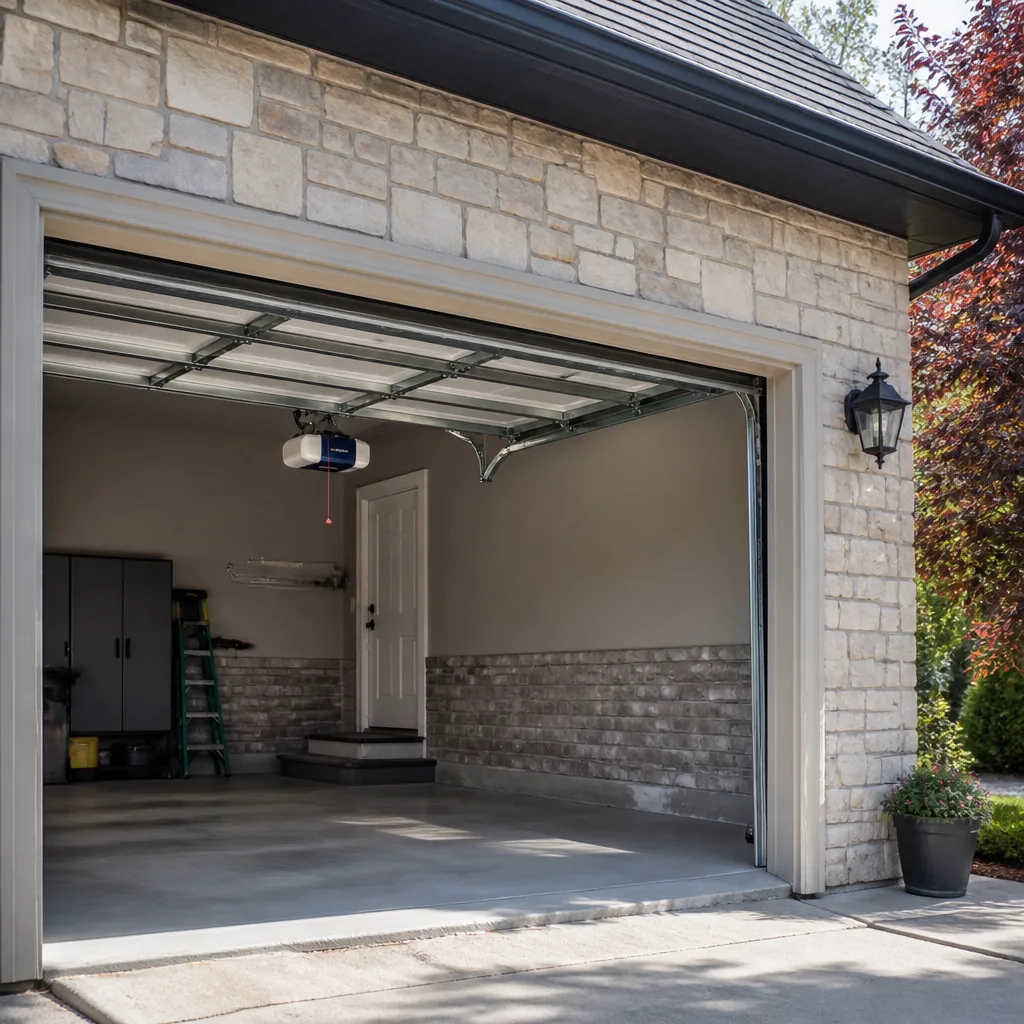 Chamberlain openers
Full 25-point door and opener safety check with every visit - springs, cables, rollers, tracks, and your LiftMaster or Chamberlain opener included
You get a price before we start. It does not change when the pro arrives.
Get your free estimateGarage Door Repair Maintenance Schedule: What to Do and When
A garage door can run 1,500 cycles a year in an ordinary household. That’s more mechanical motion than nearly anything else in your home, and it happens with a torsion spring under serious tension and a motor pulling a hundred-plus pounds of door up and down the tracks. Yet most homeowners service it less often than they change a smoke detector battery. Here’s the part that catches people: a lean maintenance schedule isn’t about adding more tasks. It’s about doing the right four or five tasks at the right times of year so small wear never turns into structural failure. This guide lays out a garage door maintenance schedule built specifically around Stamford’s seasons, from the first freeze to the wet stretch in spring when spring and cable failures cluster.
Quick Answer
Run a garage door through four maintenance windows a year, timed to Connecticut’s climate: a pre-winter check before the first freeze, a post-winter inspection once the frost lifts, a spring balance-and-lubrication pass when the temperature swings hardest, and a light monthly look at the door’s travel and hardware. The real work is a short list – lubricate the right parts, run a two-minute balance test, watch the cables and rollers, and keep a simple log. Everything beyond that is usually padding.
Styles & brands we work with
- Raised-panel steel
- Carriage house
- Modern flush
- Full-view glass
- LiftMaster openers
- Chamberlain openers
Table of Contents
- Why a Stamford Garage Door Needs a Schedule at All
- The Month-by-Month Calendar for Connecticut’s Climate
- The Correct Lubrication Map: What Gets Grease, What Gets Silicone, What Gets Nothing
- The Two-Minute Balance Test and What It Tells You About Spring Wear
- Owner-Safe Maintenance vs. Technician Tasks
- Keeping a Maintenance Log in Your Phone
- Why Spring Is the Highest-Risk Season for Springs and Cables
Why a Stamford Garage Door Needs a Schedule at All
Most garage doors fail for one of two reasons: a part wore out quietly, or a part that needed lubrication or a small adjustment didn’t get it. Neither shows up overnight. A roller that starts squealing in fall is usually a roller that’s been dry since summer. A torsion spring that snaps in April has often been tired since the previous spring, and nobody tested it.
Stamford homeowners deal with a particular mix of conditions that speeds up wear. New England winters bring freeze-thaw cycles that stiffen seals and make metal contract, and the summer humidity works on any moving part that’s gone dry. Homes across the city – in neighborhoods like Shippan, Glenbrook, and the older blocks around downtown – often have doors that have been running the same openers and the same hardware well past the point where a fresh adjustment would have saved the mechanism.
The point of a schedule is to catch these things in the cheap phase. Cleaning a track costs nothing. Replacing a bottom seal is quick. Replacing a snapped spring or a frayed cable costs considerably more, and you tend to find out about it at the worst possible moment.
One more local reality: the door you already own may be a Genie, a Clopay, an Amarr, or a Wayne Dalton, and the maintenance tasks are largely the same across all of them. We work on the brand you already have, which means the schedule below applies whether you’re in a newer build near the Stamford waterfront or an older colonial with a door that’s seen several decades of use. If you ever want the specialist view, Clover Garage Door Service handles every category in this guide.
The Month-by-Month Calendar for Connecticut’s Climate
The single biggest mistake people make with a maintenance schedule is treating it as a fixed set of tasks done once a year. Garage doors respond to temperature, so your calendar should too. Here’s how we break it down for the Stamford area.
Late fall – before the first freeze
- Test the balance of the door (see the balance test below) while the weather is still mild, so you have time to schedule any repair before the cold sets in.
- Lubricate the hinges, rollers with open bearings, and the torsion or extension springs with the correct product, not all-purpose oil.
- Inspect the bottom seal and weatherstripping for cracks. Cold air finds every gap, and a stiff seal drags the door on the frame.
- Tighten any loose hinge screws and check that the track is clear of debris.
After winter ends – end of March into April
- Inspect cables for fraying or kinks, and springs for a visible gap or a door that suddenly feels heavier.
- Check for rust or corrosion on the hinges, springs, and the bottom of the door.
- Re-test the balance. Winter cycles put the most stress on springs.
- Clear the track of grit and salt residue from the road.
Spring – the swing season
Late April through May is the highest-risk stretch for spring and cable failures. Wide temperature swings and rebound from winter stress catch tired parts. This is the window to watch the balance test closely and to have anything suspect checked. See Stamford for how we handle local repair calls during this season.
Summer and early fall – monthly look
- Run the door and listen for new sounds. Squeals, grinds, and pops all mean something.
- Check that the opener reverses properly when it meets an obstacle.
- Wipe down the photo-eye lenses on the safety sensors at the bottom of the track.
- Look at the rollers for flat spots or wobble.
The Correct Lubrication Map: What Gets Grease, What Gets Silicone, What Gets Nothing
Lubrication is where most schedules go wrong. People either skip it or spray the wrong thing on the wrong part. Here’s our map.
Lithium grease goes here
- The torsion spring, especially a torsion bar setup – a light film along the coils reduces friction and noise.
- Extension springs, if you have them.
- The hinge pivot points, sparingly.
Silicone spray goes here
- The tracks, wiped as a light film, not soaked.
- The bottom weather seal.
- Any plastic or rubber parts.
Never lubricate these
- Rollers with sealed bearings. These are self-lubricated. Grease attracts dust and grit and turns a smooth roller into a grinding one.
- The opener’s rail or the chain/belt drive surface. The manufacturer built it to run dry.
- The inside of the door panel or any surface that shouldn’t collect dirt.
The rule that keeps this simple: grease for the moving metal that bears tension, silicone for anything that slides or seals, nothing for sealed bearings. If your opener is a LiftMaster, Chamberlain, or Craftsman, the drive rail is one of the “nothing” parts. If you’re not sure which roller type you have, take a close look – the sealed ones are usually darker and have caps. When in doubt, leave it be rather than spray.
The Two-Minute Balance Test and What It Tells You About Spring Wear
The balance test is the single most useful thing a homeowner can do, and it takes about two minutes. It checks whether your springs are still doing their job or whether the opener is quietly compensating for tired springs.
How to run it
- Pull the manual release handle to disconnect the door from the opener. You’ll hear it click.
- Lift the door by hand about halfway up.
- Let go and watch what it does.
Reading the result
- If the door stays where you leave it, the door is balanced and the springs are working.
- If it sags downward, the springs have lost tension or the door isn’t balanced – or both. That’s a flag.
- If it rises on its own, there’s too much spring tension for the weight, which stresses the opener.
The reason this matters: a struggling spring shows up in the balance test before it snaps. Once the springs are tired, the opener does all the lifting, and it wears out faster. The balance test gives you a warning you can act on, versus a spring that fails on a morning you’re already late. Do this test before the first freeze every year, again in April after winter, and any time the door starts to feel heavy. If it fails, that’s a good moment to call. If you want to go deeper on the repair side, see garage door repair.
Owner-Safe Maintenance vs. Technician Tasks
There’s a lot of overcaution out there, and it does homeowners no favors. Some tasks are perfectly safe and worth doing yourself. Others aren’t, and those are where real people get hurt. Here’s the honest split.
What’s safe for you to do
- Running the balance test.
- Lubricating the correct parts with the correct product.
- Wiping down the tracks, the bottom seal, and the photo-eye lenses.
- Listening for new sounds and noting them.
- Checking for loose screws and tightening them gently.
What needs a trained technician
- Anything that involves the torsion spring or the torsion bar. These are under high tension and can release with enough force to cause serious injury. No homeowner should try to adjust or remove a torsion spring.
- The cables. Cables under spring tension are just as dangerous.
- Any repair that requires loosening the track.
- Replacing the opener or its wiring if it’s more involved than swapping a remote battery.
- Any repair that requires removing the door from its hinges or brackets.
The honest reasoning: the safe tasks are the ones where a mistake leaks or squeaks. The technician tasks are the ones where a mistake can hurt you. It’s not liability theater. Our technicians have up to 8 years of experience, and even they work carefully around springs. That tells you something.
Keeping a Maintenance Log in Your Phone
A simple log makes every future service call easier. Any technician who shows up benefits from knowing what’s been done and when. It also helps you spot patterns: if you’re relubricating every two months instead of twice a year, that’s a sign a part is struggling.
You don’t need an app. A note in your phone works fine. Track these fields:
- Date of each maintenance pass.
- What you did – lubrication, balance test, cleaning, adjustment.
- Balance test result – pass, sags, or rises.
- Any new sounds and where they come from.
- Parts replaced, with dates.
- Opener cycle count if your opener tracks it – many LiftMaster and Chamberlain models do – or a rough estimate.
- Technician visits and work performed, including service dates.
The cycle count is the underrated one. A spring’s expected life is measured in cycles, not years, and knowing how many cycles your door has run tells a technician roughly how much life is left before it fails.
Why Spring Is the Highest-Risk Season for Springs and Cables
Spring in Stamford is a rough season for garage door hardware. The reason is temperature movement. A torsion spring is a coiled piece of steel under constant tension, and when the temperature swings by 30 degrees in a week, the metal expands, contracts, and fatigues from the movement. On top of that, the door has just done a full winter’s worth of heavy cycles with a stiff seal and colder metal, and the springs have no chance to recover before warm weather arrives.
Frayed cables are the other spring risk. A cable under spring tension that’s been picking up grit and rust all winter can fail when the load shifts. You’ll hear a pop, or you’ll notice the door hanging crooked. If you catch it in time, it’s a cable replacement. If not, warped panels and a bigger repair follow.
What this means practically: check the balance test in April, before you assume the winter was uneventful. And if the door feels heavy or runs unevenly, don’t wait for it to fail completely. That’s the difference between a repair and a rebuild.
Common Mistakes to Avoid
- Spraying all-purpose oil on everything. That oil picks up dust and grit and turns a smooth roller into a grinding problem. Use the correct product on the correct part, and nothing on sealed bearings.
- Skipping the pre-winter check. Stamford’s first freeze tends to arrive quickly, and if you haven’t tested the balance, adjusted the seals, and lubricated the springs, the cold makes existing problems worse.
- Letting a stiff bottom seal drag through winter. A cracked seal pulls on the door and lets cold air in, and it’s one of the cheapest parts to replace.
- Ignoring new noises. A squeal or a pop is information. It’s cheaper to fix at the first squeal than to wait for the door to stop working.
- Adjusting the torsion spring yourself. This is the one mistake that causes serious injury. Springs and cables are technician work.
- Trusting the balance test only once a year. Test before freeze and again in April, and pay attention between the two.
- Not keeping a log. Without it, you’re guessing when to lubricate and what was already done. A phone note fixes that in two minutes.
See the difference
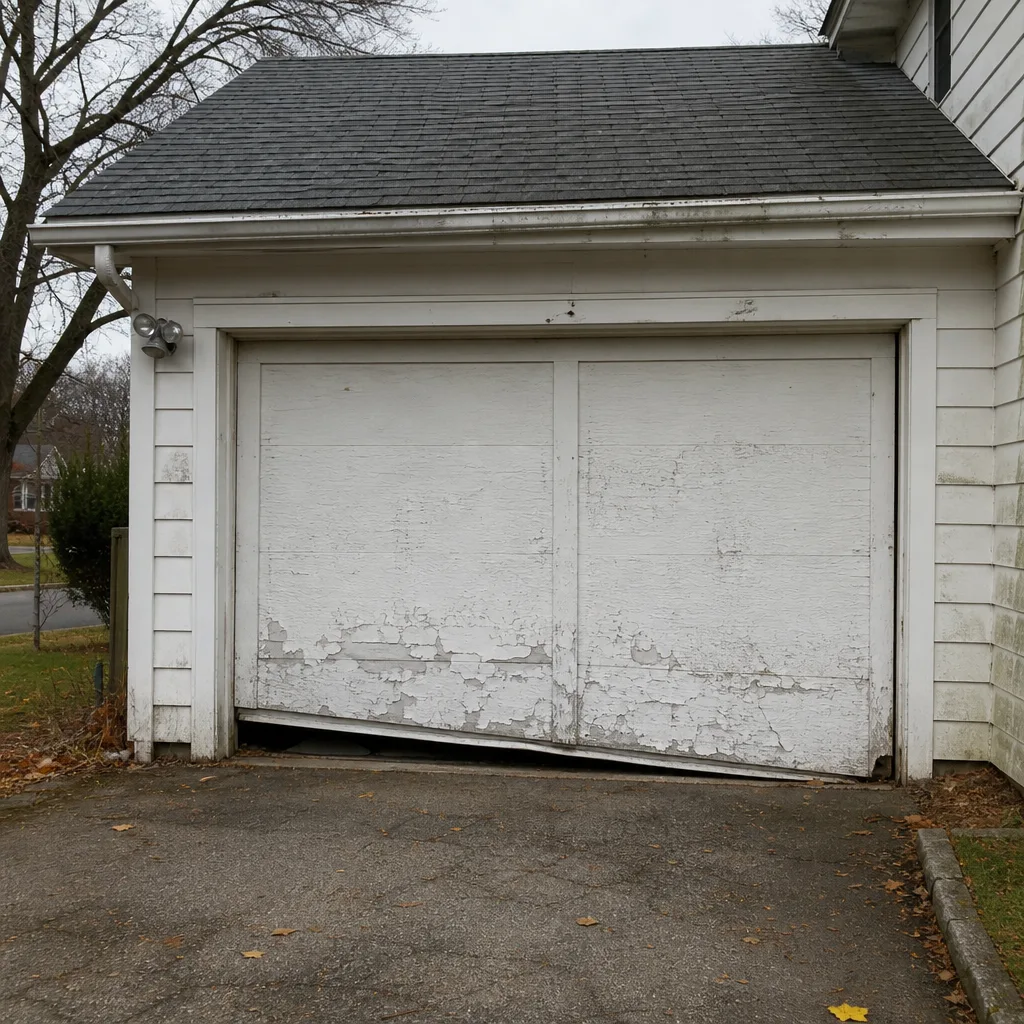 Before
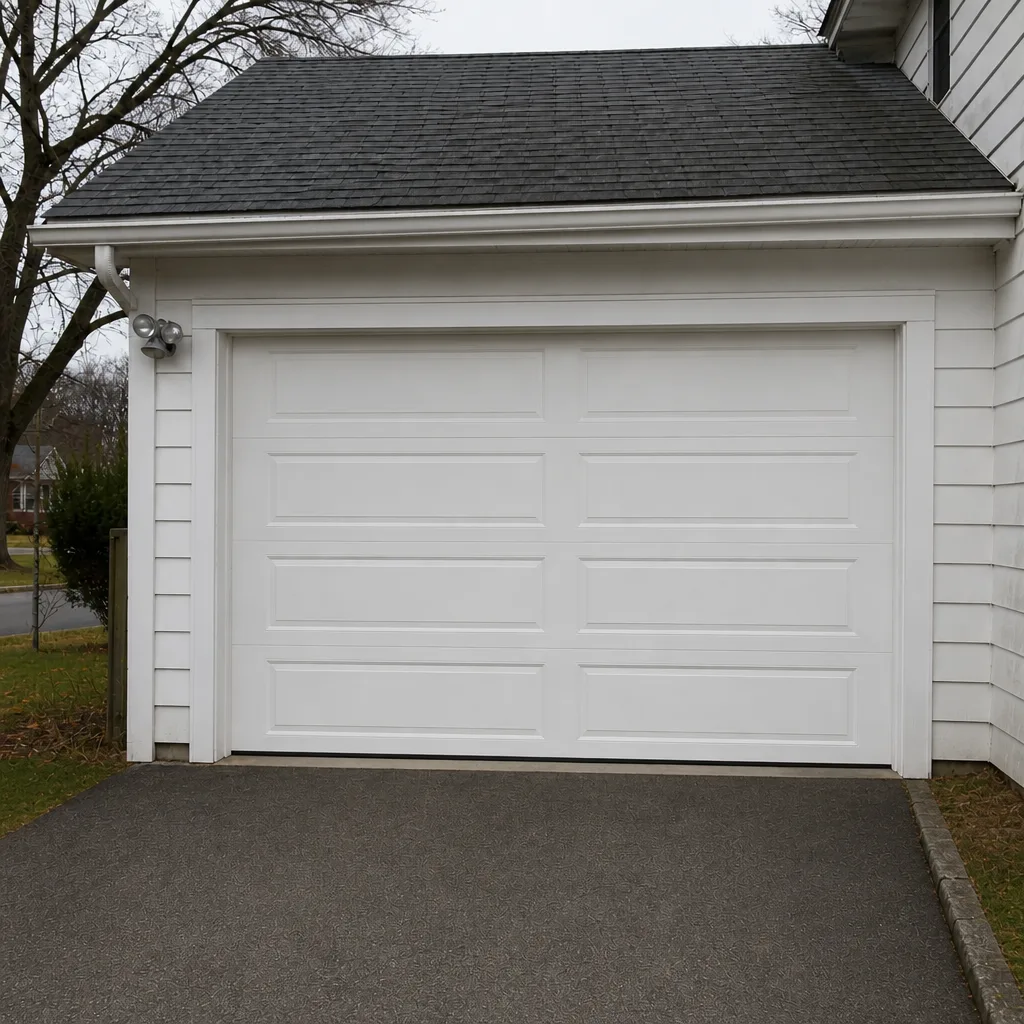 After
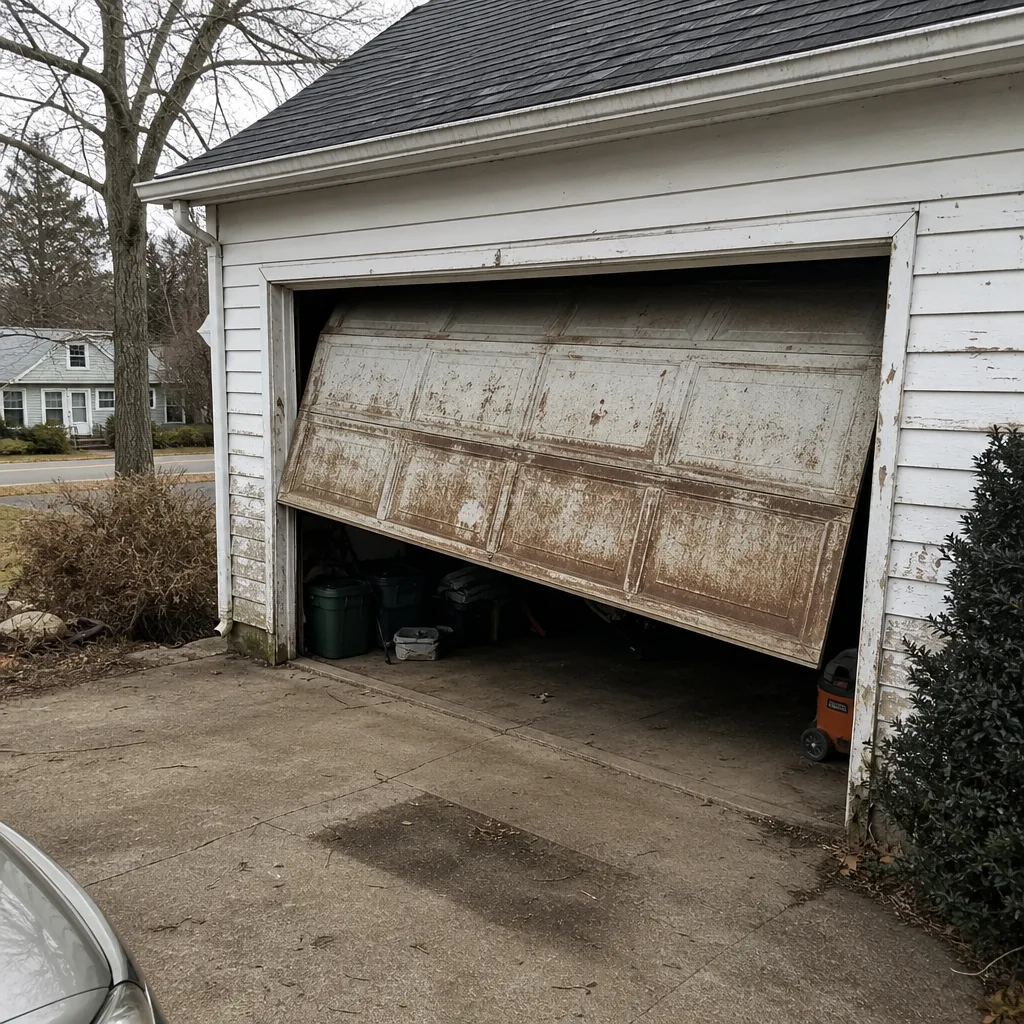 Before
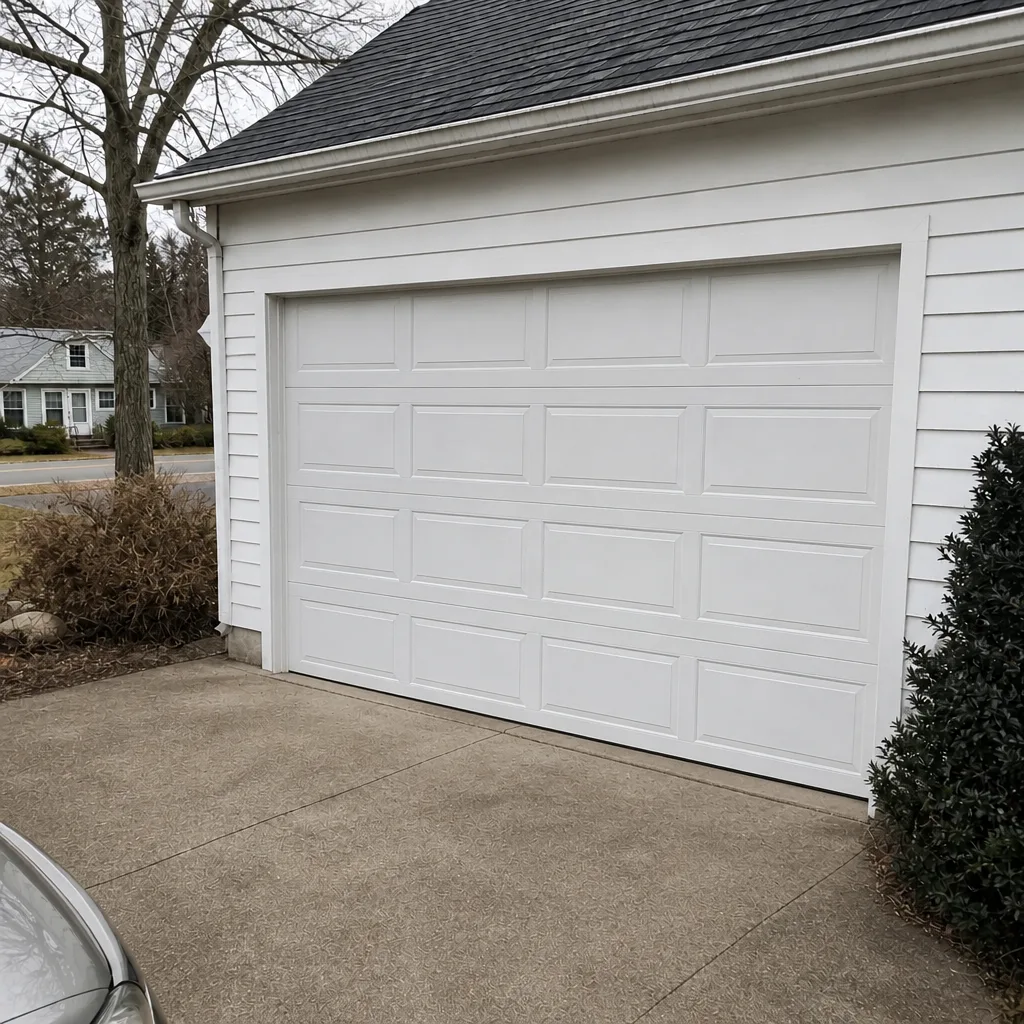 After
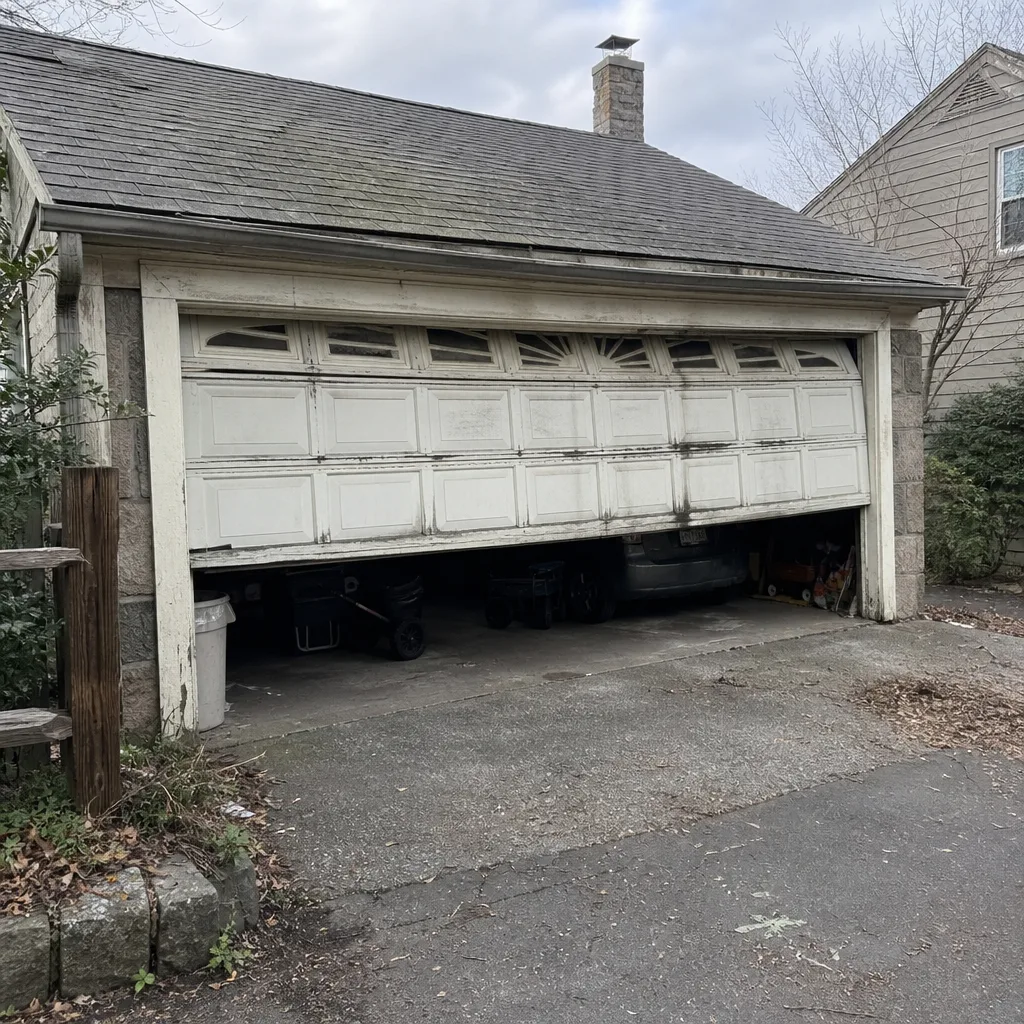 Before
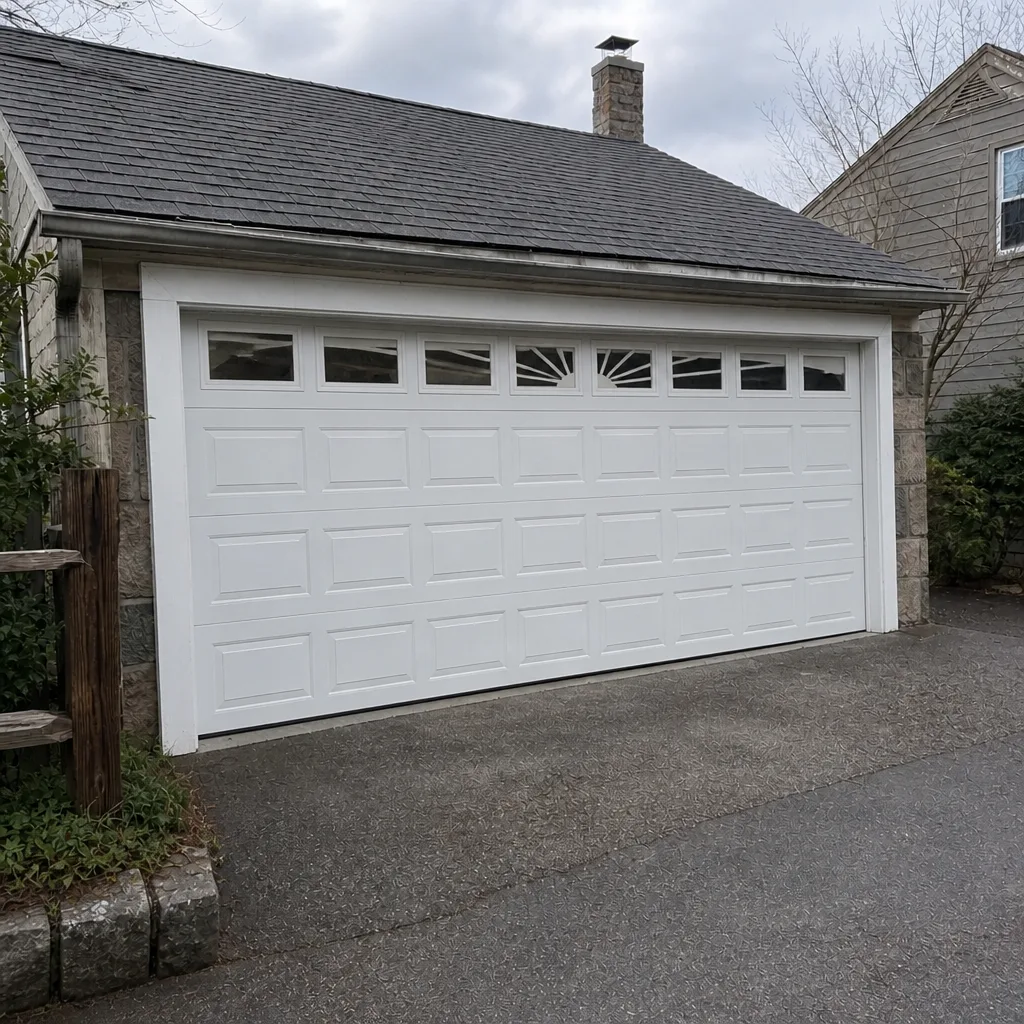 After
When to Call a Professional
Call someone when the balance test sags or the door rises on its own. Call when the door is crooked, won’t close fully, or hangs unevenly, because a crooked door usually means a cable problem or a worn spring. Call when the opener strains to lift the door or reverses without an obstacle in the way. Call if you see a gap in the spring coils or a frayed cable. And call if the door has gone through a long stretch without service and you want a trained eye on the springs and cables – the parts you shouldn’t touch yourself.
Clover Garage Door Service offers free estimates in Stamford – call (855) 632-3568. We answer 24/7. Fast dispatch from 7am to 7pm, Sunday through Friday. For opener troubles specifically, see garage door opener repair.
Frequently Asked Questions
Four times a year on a seasonal schedule, timed to Connecticut’s climate: before the first freeze, after winter, during the spring temperature swings, and a light monthly look through summer and fall. The heavy tasks take a couple of hours total across the year, and most of the four passes are a quick inspection plus the balance test. Call (855) 632-3568 for an exact quote if you’d rather hand it to a technician – estimates are free.
Yes – the balance test is a safe, do-it-yourself check. Pull the manual release, lift the door halfway, let go, and watch whether it stays put, sags, or rises. What you should not touch is the torsion spring or the cables themselves. Call (855) 632-3568 for a free estimate if the test fails.
Grease the torsion spring, extension springs, and hinge pivot points with lithium grease. Use silicone spray on the tracks and bottom seal. Leave the sealed-bearing rollers and the opener’s drive rail alone – manufacturers build those to run dry. Call (855) 632-3568 for an exact quote if you want a trained eye on it – estimates are free.
Wide temperature swings in late April and May fatigue springs and cables that spent winter under heavier load and colder metal. Frayed cables and tired springs tend to fail right when the temperature is moving fastest. Call (855) 632-3568 for a free estimate.
No – we quote and agree on the price before any work starts. The written estimate sets the final price, and surprises on the invoice aren’t part of how we work. Call (855) 632-3568 for a free estimate.
Our technicians are experienced specialists, and we can work with your insurer if it ever matters. Garage doors are all we do, so the technician you get is a specialist, not a generalist with other trades on the schedule. Call (855) 632-3568 for a free estimate.
The Bottom Line
A garage door maintenance schedule is really just four passes a year, timed to the seasons Connecticut actually delivers: pre-freeze, post-winter, spring swing, and monthly looks through summer. The work is short. Lubricate the right parts with the right product, run the balance test before the freeze and again in April, watch for frayed cables and tired springs, and keep a simple log in your phone. Leave the tension-loaded parts to a trained technician. That’s it. Everything else published as a “schedule” is usually padding.
Whether you’re in Glenbrook, Shippan, or elsewhere across Stamford, if you’d like a trained eye on your door, call (855) 632-3568. We answer 24/7. Fast dispatch from 7am to 7pm, Sunday through Friday. The estimate is free and the price is agreed before any work starts.
Written by the team at Clover Garage Door Service.