
Last updated November 15, 2026
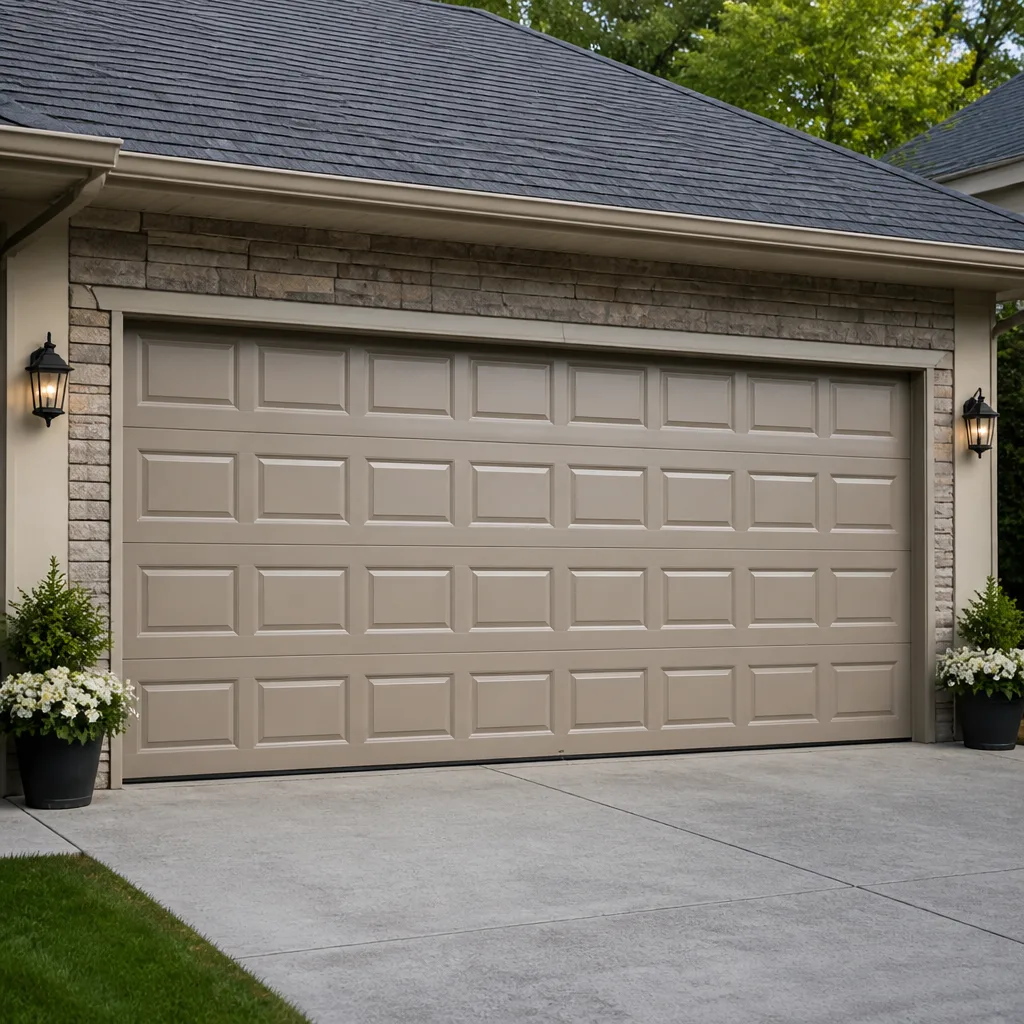 Raised-panel steel
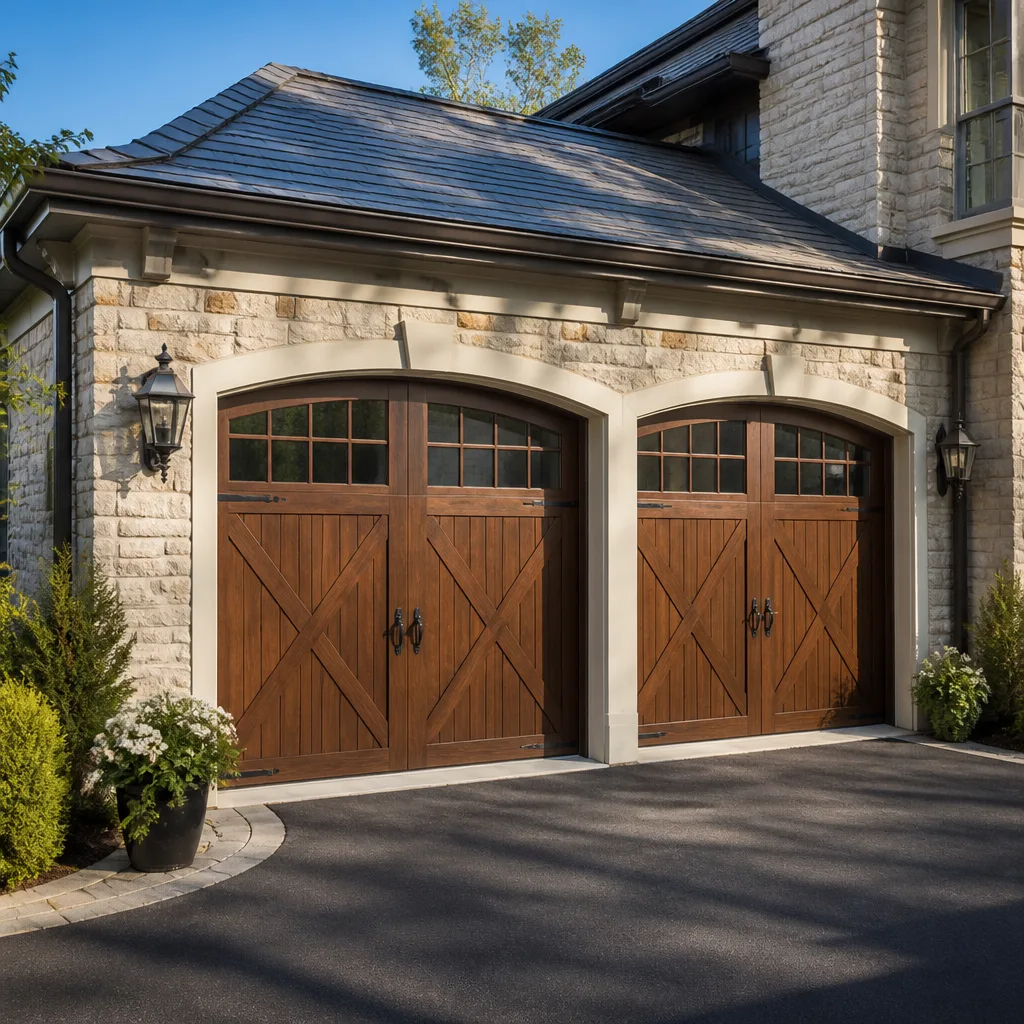 Carriage house
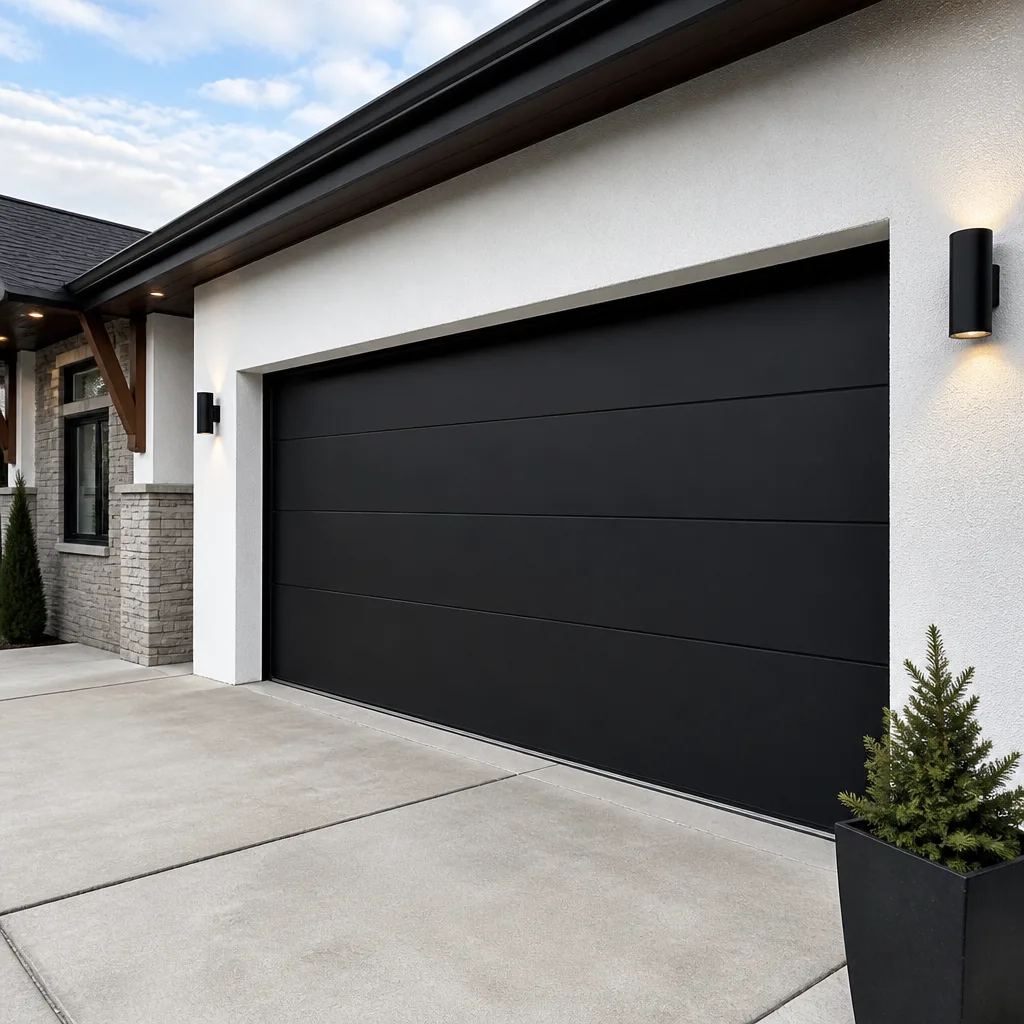 Modern flush
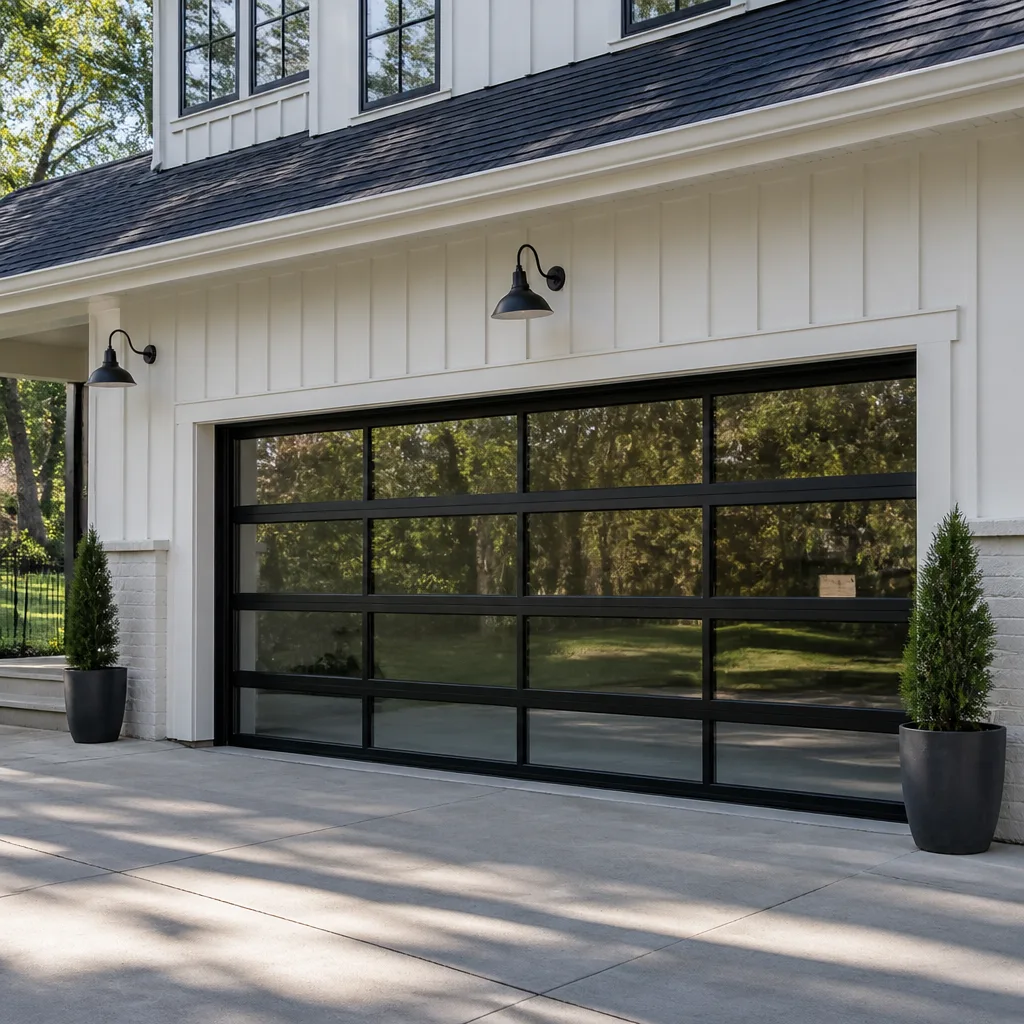 Full-view glass
 LiftMaster openers
 Chamberlain openers
Full 25-point door and opener safety check with every visit - springs, cables, rollers, tracks, and your LiftMaster or Chamberlain opener included
You get a price before we start. It does not change when the pro arrives.
Get your free estimateGarage Door Permits, Codes & Inspections in Stamford, CT: What You Need to Know
Most Stamford homeowners assume a garage door replacement is one of those projects you can just hand off and forget about. Buy a door, pay the installer, done. The reality is that a garage door swap can quietly fail a home inspection years later if the permit process was skipped, and in Stamford the threshold for when a permit is actually required is lower than most people expect. We’ve watched sellers scramble when a buyer’s attorney asks for the permit history on a door that was replaced without one. This guide walks through the Connecticut code triggers, what Stamford’s building department looks at, how the inspection works, and who should be pulling the permit. By the end you’ll know exactly when you need paper and when you don’t.
Quick Answer
In Stamford, a garage door replacement generally requires a building permit when you’re changing the door’s size, altering the opening, or replacing a fire-rated assembly on an attached garage. Straightforward like-for-like swaps of the same size and type often qualify as routine maintenance, but the line between the two depends on what the Stamford Building Department sees in your plans. When in doubt, confirm with the department before the door goes up, because a missing permit is far more expensive to fix at resale than to file on the front end.
Styles & brands we work with
- Raised-panel steel
- Carriage house
- Modern flush
- Full-view glass
- LiftMaster openers
- Chamberlain openers
Table of Contents
- Why Garage Door Permits Matter More Than You Think in Stamford
- The Connecticut State Building Code Threshold: When a Permit Is Required
- Stamford-Specific Amendments: Fire-Rated Assemblies, Door Sizing, and Openers
- How the Permit and Inspection Process Actually Works
- What the Inspector Checks (and What Fails)
- What “Unpermitted Work” Means at the Point of Sale in Connecticut
- Who Pulls the Permit: Homeowner vs. Contractor
- How Stamford’s Climate Affects Door Performance and Inspection Results
Why Garage Door Permits Matter More Than You Think in Stamford
A garage door looks like a simple mechanical object. It slides up, it slides down, it goes back to sleep. But the permit system exists because the door is also part of a building envelope: it’s a large opening in a wall, it often lives inside a fire-rated assembly, and its opener is a piece of electrical equipment wired into your home. Every one of those things has a code section behind it, and Stamford inspectors check them because the code requires it.
Here’s the part most homeowners don’t hear until it’s a problem. The permit isn’t just a stamp of approval. It’s a record. When you sell a Stamford home, that record becomes part of the disclosure package your attorney assembles, and a missing permit on a door replacement can trigger questions that delay or complicate a closing. Buyers’ attorneys in Connecticut are thorough about permit history, and a garage door is one of the items they flag because replacements happen often and paperwork gets skipped.
None of this is meant to scare anyone. A permitted door is not hard to get. The point is that Stamford’s permit rules aren’t a formality. They’re a genuine gate, and understanding where the gate sits saves you money and headaches later.
The Connecticut State Building Code Threshold: When a Permit Is Required
The Connecticut State Building Code is the baseline. It sets the rules every municipality enforces, and Stamford adopts those rules with local amendments on top. On garage doors, the code is not written as a single “garage doors require permits” line. It’s framed around whether the work is a structural alteration, a change of occupancy, or a repair that keeps the assembly in its original condition.
In practice, that means the permit question comes down to what’s actually changing. Here’s how the line usually falls:
Work that typically requires a permit
- Replacing a door with a different width, height, or weight rating than the original
- Changing the door type (for example, converting a solid-panel door to a sectional door with a different track configuration)
- Modifying or replacing the header, jamb, or rough opening
- Replacing a fire-rated door assembly on an attached garage
- Installing a new opener where none existed before, or changing the opener’s electrical circuit
- Any change that affects the door’s wind rating or emergency egress from the garage
Work that typically qualifies as routine maintenance
- Replacing one door with the same size, weight class, and type
- Replacing springs, cables, rollers, hinges, or tracks with matching parts
- Replacing a failed opener with one of the same type on the existing circuit
- Routine adjustment of track, tension, or travel limits
This is where homeowners get tripped up. “Same door, same hole” is the magic phrase. If the new door matches the old one’s dimensions and rating, the work often slips under the permit line. If anything about the opening changes, the permit usually triggers. Stamford’s Building Department is the authority on how that line applies to your specific project, and a five-minute call to their office before ordering settles it.
One more code angle worth knowing: Connecticut treats the door as part of the garage assembly, not as a standalone appliance. So even a “reputable tech did it” story doesn’t substitute for a permit if the work required one. The code is about the building, not the installer.
Stamford-Specific Amendments: Fire-Rated Assemblies, Door Sizing, and Openers
Stamford layers local amendments on top of the state code, and those amendments matter for attached garages, which are common in neighborhoods across the city. Three areas come up most often.
Fire-rated assemblies in attached garages
If your garage shares a wall or ceiling with living space, that separation is a fire-rated assembly. The garage door is one component of that assembly, and the code expects the door to hold up its end of the rating, along with the self-closing mechanism and the weatherstrip. Replacing a door on an attached garage usually means verifying the new door’s fire rating and confirming the self-closing hardware is intact. This is one of the triggers that converts a like-for-like swap into a permit job, because the door isn’t just a door anymore. It’s fire separation.
Door sizing and opening modifications
Stamford’s amendments also address how a door fits its opening. Oversized doors, undersized doors, and doors with non-standard track drops can all raise questions at inspection. If you’re considering a “while we’re at it” width change, that’s exactly the kind of project that needs permits and a plan drawn up. In our experience, homeowners who order a size-modified door before checking with the department often end up with a door that’s expensive to return and a timeline that’s now running against a permit review.
Opener safety requirements
Openers carry their own code obligations. Modern openers are required to have entrapment protection, meaning the safety reverse feature and the photo-eye system both have to work. Stamford inspectors check this. On a replacement opener, the code expects the door to reverse on contact with an obstruction and to stop and reverse when the photo eye beam is broken. If you’re upgrading to a LiftMaster or Chamberlain unit with battery backup, the safety circuit is part of what gets verified.
Brand selection usually doesn’t affect the permit. A Clopay steel door and a Wayne Dalton door go through the same permitting process. What matters is configuration and rating, not the label.
How the Permit and Inspection Process Actually Works
The process at Stamford’s Building Department isn’t complicated, but it does have a sequence, and skipping a step is what causes delays. Here’s the order it runs in:
- Confirm whether a permit is needed. Call the Building Department with your door’s make, model, and dimensions. They’ll tell you which side of the line your project falls on.
- Submit the application. This usually needs the door specification sheet, the manufacturer’s rating information, and a description of the work. Some applications also need a simple sketch of the opening.
- Pay the permit fee and get the permit issued. Fees are set by the town, and they scale with the scope of work. Ask the department for the current fee schedule for your project type.
- Schedule the installation. Don’t schedule the install before the permit is in hand. Angled installs that disrupt opening framing are exactly what the permit exists to control.
- Call for the inspection. After installation, call the department to schedule the inspection. The inspector comes out, checks the door, checks the opener, and either signs off or issues a correction notice.
- Get the final sign-off. That signature is the record you’ll want at resale. Keep the paperwork with your home file.
The timeline depends on the department’s workload. In a normal stretch, a straightforward permit can move through review quickly, but reviews stretch out when the department is busy or when the application is missing paperwork. For anyone planning a replacement in Stamford, factor in the review window before you order a door, because the door can arrive long before the permit clears.
One detail worth building into your plan: if the door arrives first and sits in the garage while the permit is pending, you’re storing a large, heavy assembly in a working space. That’s another reason to run the permit first, install second. If you’re already working with a specialist who handles both garage door repair and new installs, they can usually sequence the paperwork and the install so you’re not stuck in between.
What the Inspector Checks (and What Fails)
The inspection isn’t a rubber stamp. The inspector is verifying that the door and opener meet the code requirements the permit was issued for. Here’s what typically gets looked at:
- Door dimensions and fit. Does the door match the approved size? Does it sit properly in the opening with correct clearance?
- Track and hardware installation. Are the tracks plumb and secure, are the hinges and rollers correct for the door’s weight, and is the bottom bracket intact?
- Spring and cable condition. Do the springs and cables match the door’s rated weight, and are the safety cables routed correctly?
- Fire-rated assembly. On an attached garage, does the door hold up the rating shown on the approved plan?
- Opener safety reverse. Does the door reverse when it hits an obstruction?
- Photo-eye function. Does the door stop and reverse when the beam is interrupted?
- Warning labels and tagging. Are the required warning labels on the door and opener?
- Manual release. Does the emergency release work with the door in both positions?
The most common failures we see on inspections aren’t dramatic. They’re small: a photo-eye that isn’t aligned, a door that’s binding slightly at the top of its travel, a fire-rated assembly with the wrong weatherstrip. Each is fixable, but each turns a one-visit signoff into a return trip. Our technicians have up to 8 years of experience, and getting the door right the first time is one of the things that experience is for. When a door is inconsistent, the same visit covers both the mechanical door and the electronic garage door opener repair, which is what inspectors see when they look at the full assembly.
What “Unpermitted Work” Means at the Point of Sale in Connecticut
This is where the permit question gets real. In Connecticut, a home sale runs through the seller’s disclosure, and that disclosure is supposed to list known improvements. Whether a garage door replacement specifically appears on the disclosure depends on the form and the transaction, but the permit history is a separate record that a buyer’s attorney can pull from the town. When that record shows a door replacement with no permit, and the door’s configuration has changed, the conversation gets complicated.
What usually happens next depends on the parties. A buyer’s attorney might request that the seller obtain a retroactive permit, which involves the town inspecting work already performed and can be slow. The buyer might negotiate a credit. Or, in the worst cases, the sale stalls while the paperwork is sorted. None of those outcomes is catastrophic, but all of them are avoidable if the permit was pulled on the front end.
We’ve also seen the reverse: a Stamford homeowner with a full permit file hands it to the buyer’s attorney within a day, and the conversation ends there. That’s what the paperwork is for. It’s not a burden. It’s the thing that lets a door replacement disappear quietly into the home’s record, exactly as it should.
One practical tip: if you’ve replaced a door in the past and aren’t sure whether a permit was pulled, call the Building Department and ask them to check the permit history on your address. A short phone call answers the question, and if the answer is “no permit,” you can talk through retroactive options while you’re still in control of the timeline, rather than finding out mid-sale.
Who Pulls the Permit: Homeowner vs. Contractor
Connecticut allows a homeowner to pull a permit for work on their own primary residence in most cases, provided the homeowner will actually perform the work, or in some circumstances supervise it. That’s the “owner-builder” pathway. But if you hire a contractor, the contractor is generally the permit holder, and there are good reasons for that.
When the contractor pulls the permit, three things happen. First, the permit is issued in the contractor’s name, which means the town is holding the contractor responsible for the compliance of the work. Second, any inspection corrections route back through the permit holder, not through you. Third, the permit file ends up tied to a business that has a record with the town, which reads cleaner at resale than a DIY permit that may have been closed out without full inspection.
The reverse is also worth knowing. If a contractor asks you to pull the permit on their behalf, ask why. Sometimes it’s an administrative preference, but in some cases it means the contractor can’t pull permits in that town for a reason. That’s worth understanding before you sign anything. A homeowner who pulls a permit for work they didn’t perform can end up carrying responsibility for compliance that isn’t really theirs.
The clean arrangement: the contractor pulls the permit, the inspector signs off in the contractor’s name, and you keep a copy of the signoff in your home file. That’s how a Stamford garage door replacement can be documented so it never creates a problem down the line. If you’re working with a specialist who handles Clover Garage Door Service caliber work, the sequencing of permit and install is something they do routinely.
How Stamford’s Climate Affects Door Performance and Inspection Results
Stamford sits in a climate with hot, humid summers and cold winters, and both ends of that swing work on the door. Summer humidity swells wood components and can make a wood-composite door bind at its edges. Winter cold tightens steel and stresses the springs, which is part of why spring failures cluster in the coldest months. The freeze-thaw cycle moves the concrete pad under a garage door, and a door that closed perfectly in September can sit slightly off its seal by February.
Why this matters for inspection: the inspector checks the door in whatever condition it’s in on the day of the visit. A door that’s seasonal-binding or hasn’t been adjusted since the weather shifted can fail for reasons that have nothing to do with installation quality. The fix is straightforward, usually an adjustment of track, tension, or travel limits, and it’s much easier to catch before the inspector visits than after.
This is also why door material matters in Stamford. Steel doors respond to temperature change differently than a wood composite, and a Clopay or Amarr steel door in this climate usually needs less seasonal adjustment than a heavier wood look-alike. That’s not a sales argument for steel. It’s a permitting reality: doors that shift with the seasons need more frequent tune-ups to stay inspection-ready. Alongside the door itself, an opener’s travel limits need re-checking when the temperature swings, because the door’s travel can change by half an inch between July and January.
Common Mistakes to Avoid
- Assuming a same-size replacement never needs a permit. Same size often means no permit, but “often” isn’t “always,” and the answer depends on the assembly. Confirm with the Stamford Building Department before ordering the door.
- Ordering the door before the permit clears. A door that arrives ahead of the permit sits in your garage while you wait. Run the permit first, then order.
- Letting the contractor talk you into pulling your own permit for their work. If the contractor is doing the installation, the permit should be in their name. That protects you.
- Skipping the opener inspection. Photo-eye alignment and safety reverse are two of the most common inspection failures, and both are quick to fix before the inspector shows up.
- Replacing a fire-rated door on an attached garage without verifying the rating. A new door that doesn’t match the assembly’s rating is a code problem, even if it fits perfectly.
- Ignoring seasonal binding. A door that’s difficult to operate in February or August is telling you something. Adjustment now prevents an inspection bounce later.
- Not keeping the final signoff. The permit file is only useful at resale if you can find it. Put the signoff with your home records as soon as you get it.
A garage door page isn’t the end of the conversation either. Neighborhoods across Stamford, from Shippan to Springdale, have their own mix of attached garages, detached garages, and converted carriage houses, and each one may face a slightly different permit question. When in doubt, the permit office is the answer, and it’s a short call to get one.
See the difference
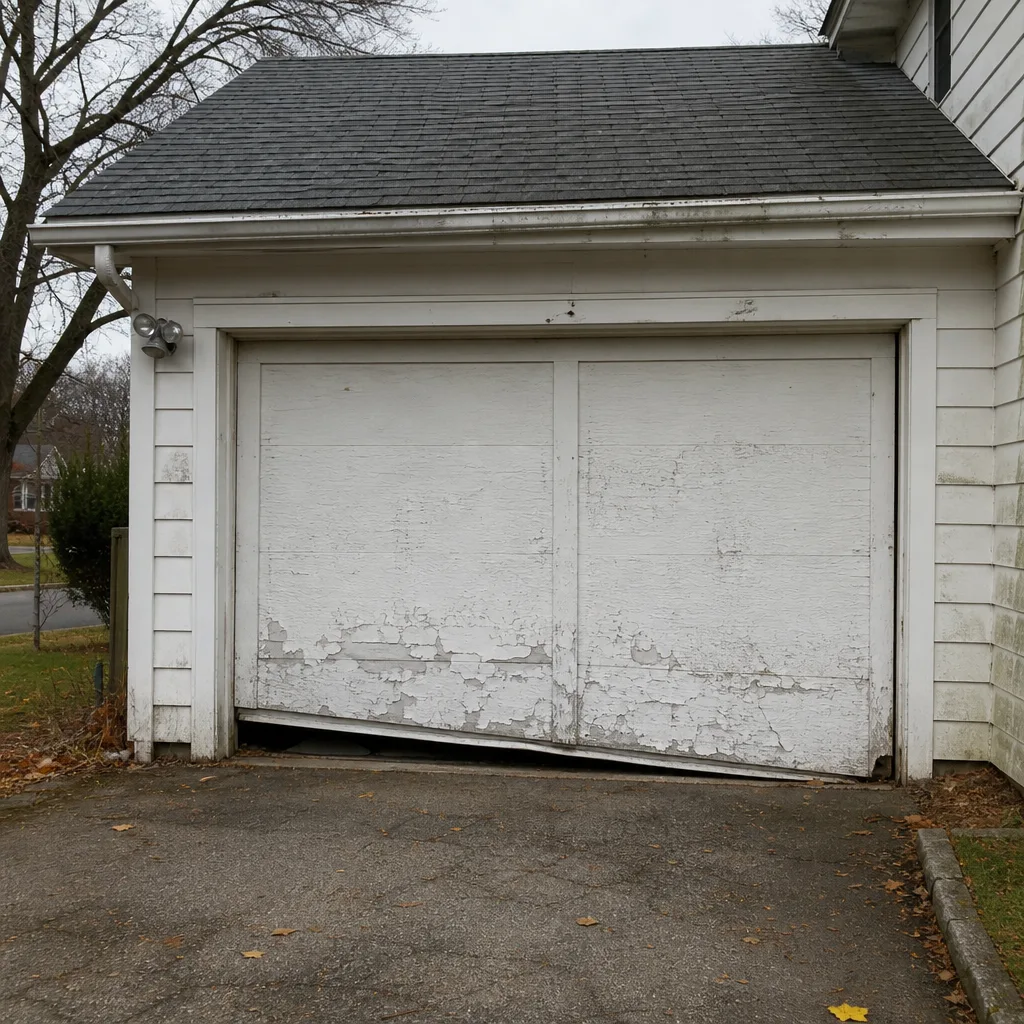 Before
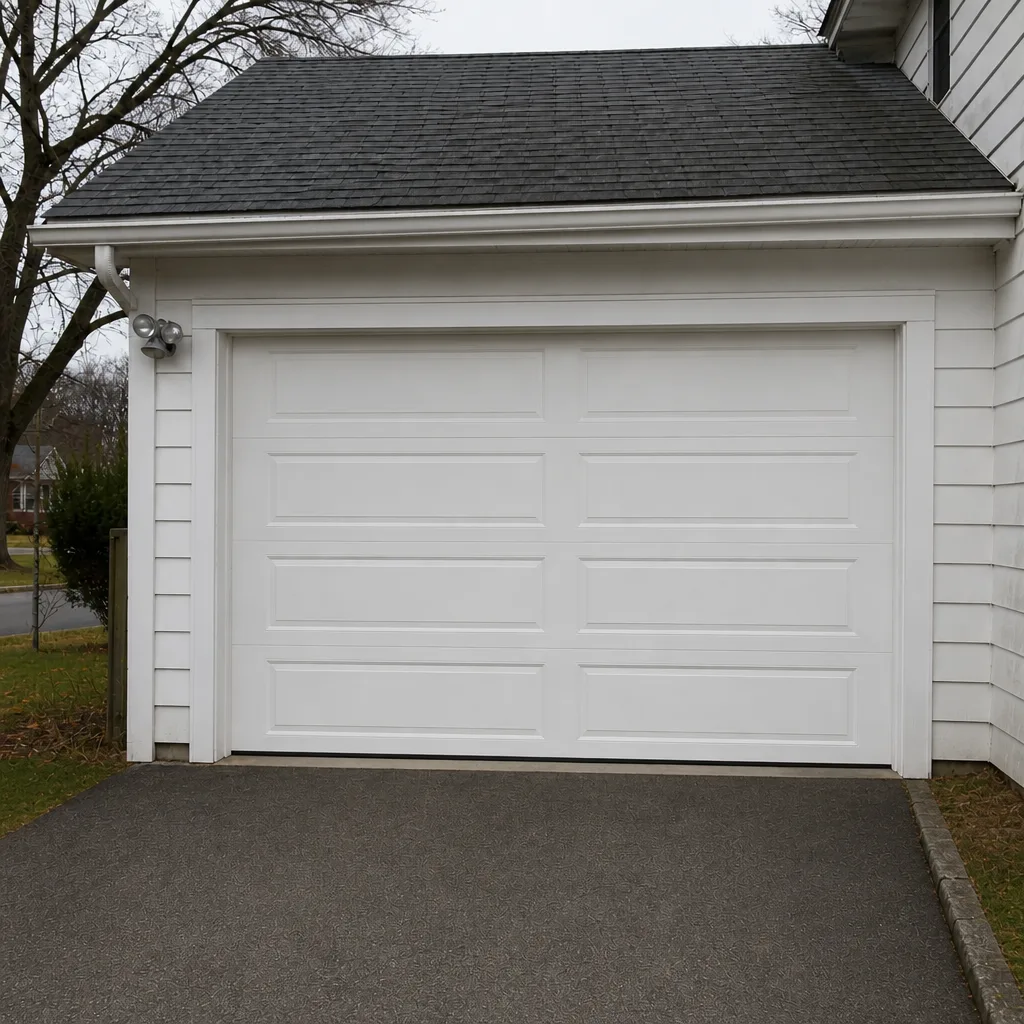 After
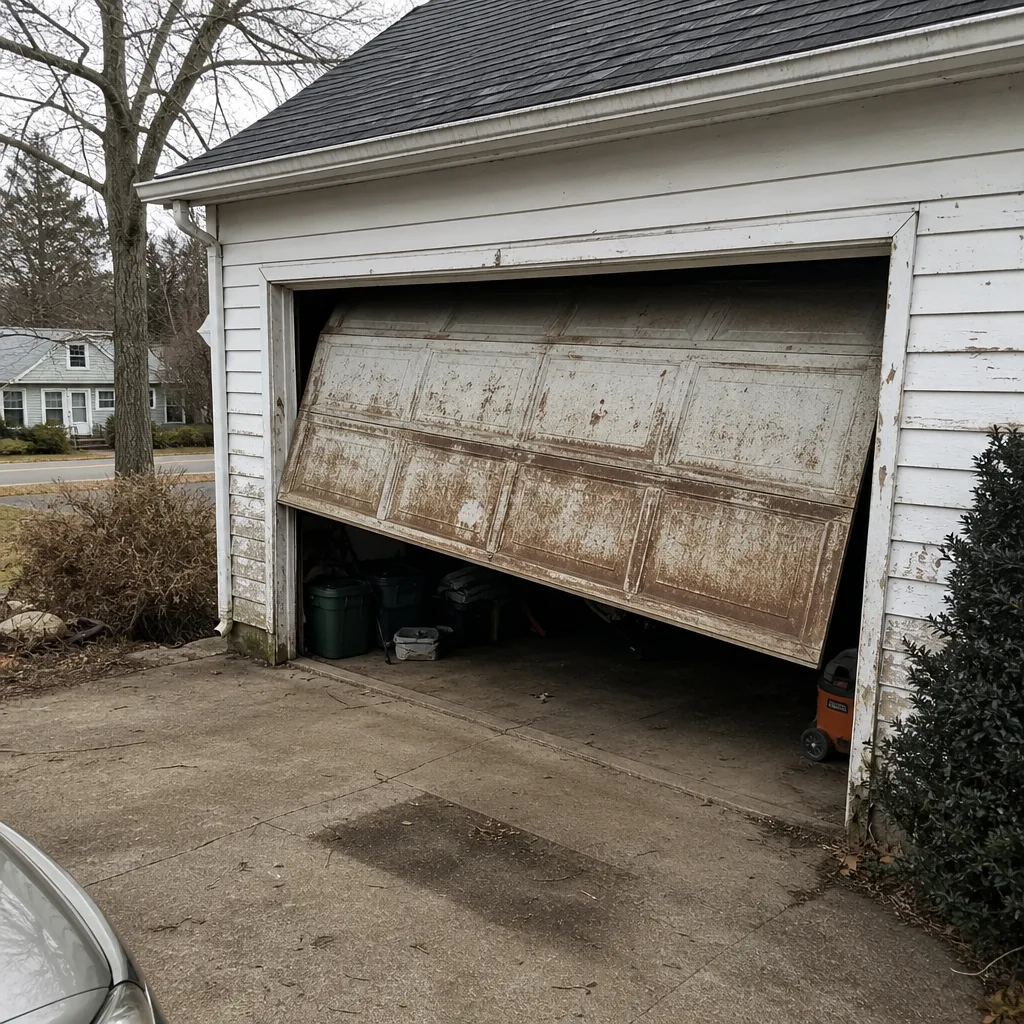 Before
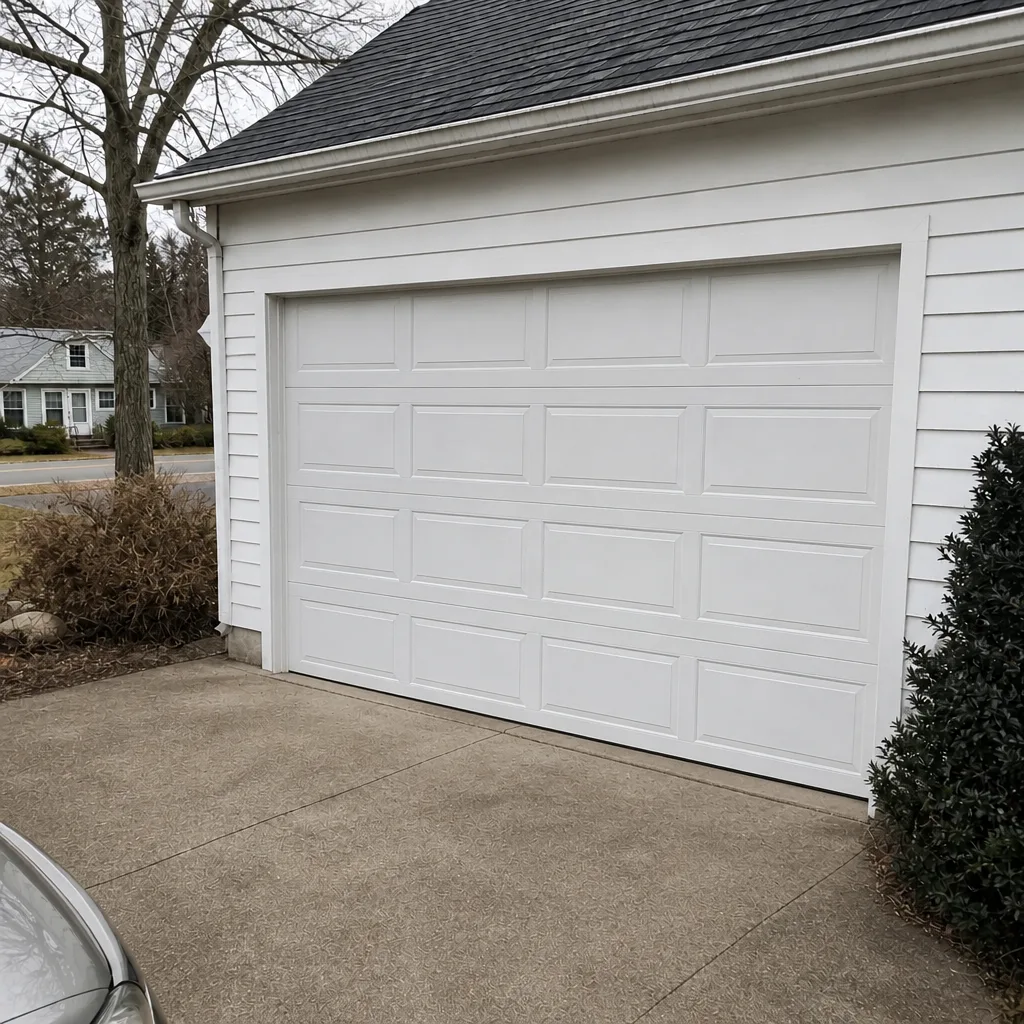 After
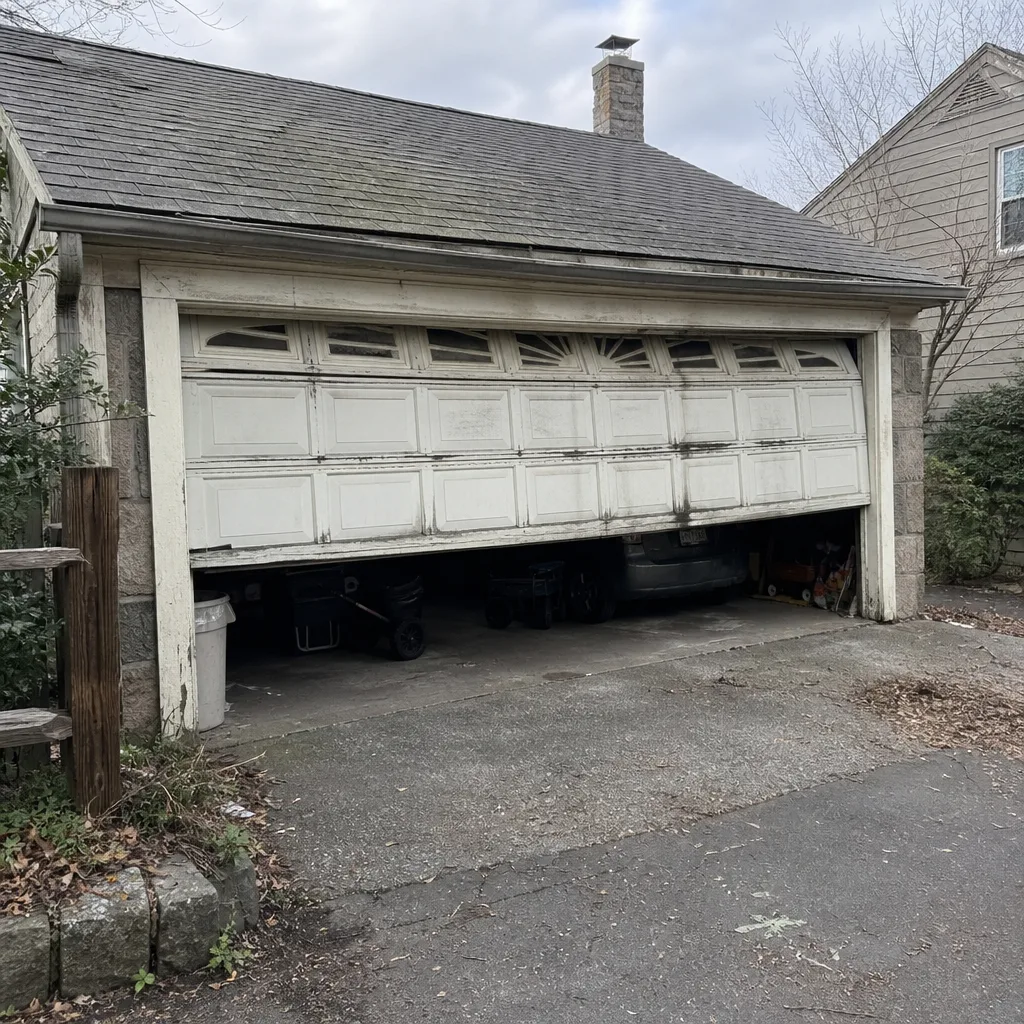 Before
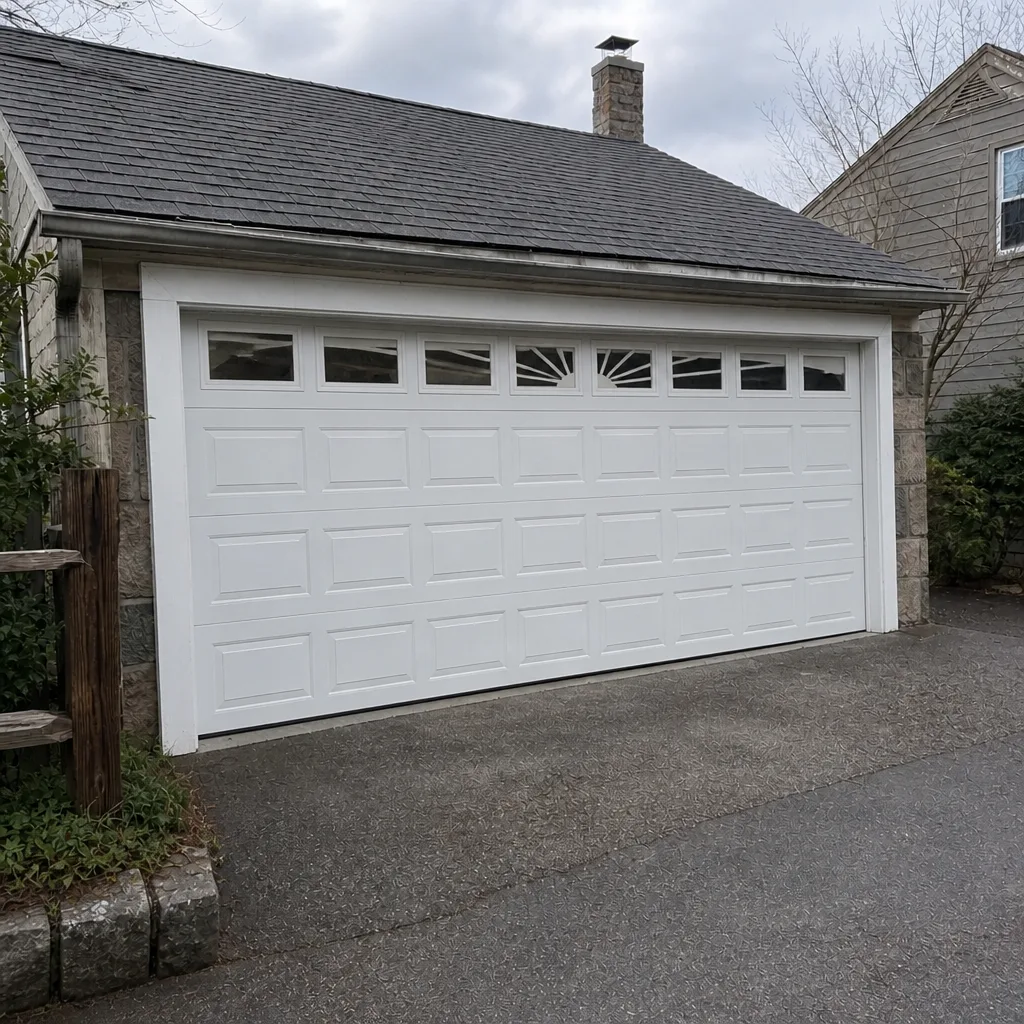 After
When to Call a Professional
Some garage door work is safe to handle yourself. Wiping down a photo-eye lens or resetting a travel limit is fine. But most of what triggers a permit is work we’d recommend leaving to a trained technician. Spring replacement, cable replacement, and any door replacement on a fire-rated assembly fall into that category, because the assemblies involved are under high tension and the codes that govern them are specific. The same goes for any electrical change to the opener’s circuit, which should go through a licensed electrician rather than a handyman.
If you’re in Stamford and unsure where your project falls, we can help you sort it out. Clover Garage Door Service offers free estimates in Stamford – call (855) 632-3568. We answer 24/7. Fast dispatch from 7am to 7pm, Sunday through Friday. We’ll walk you through what the permit question likely is for your door, and if the work is a scheduled installation, we’ll tell you that upfront rather than promise a same-day turnaround that doesn’t fit the job.
One more note for anyone comparing dealers: we’re brand-agnostic, which matters here. We service LiftMaster, Chamberlain, Genie, Clopay, Amarr, Wayne Dalton, Craftsman, and Raynor systems, and we’ll talk through the permit question on whichever door you own. If you’re near the Greenwich or Darien line and want a local point of reference, Stamford is where we work, and the permit rules don’t change because of a zip code.
Frequently Asked Questions
Not always. A like-for-like replacement of a door with the same size, type, and rating often qualifies as routine maintenance, while changing the door’s size, altering the opening, or replacing a fire-rated assembly on an attached garage typically requires a permit. Call the Stamford Building Department with your door’s specs before ordering to confirm which side your project falls on. Call (855) 632-3568 for a free estimate if you’d like us to walk through the options.
It varies with the department’s workload. A clean application typically moves through review before an installation can be scheduled, but missing paperwork will slow it down. The best approach is to submit early and plan the install around the review window. Call (855) 632-3568 and we’ll help you sequence the paperwork and the install so you’re not waiting on one to finish the other.
Connecticut allows a homeowner to pull a permit for work on their own primary residence in most cases, but if you hire a contractor, the contractor should hold the permit. Having the contractor as permit holder puts the compliance responsibility where it belongs. If a contractor asks you to pull the permit for their work, ask why before agreeing. Call (855) 632-3568 if you want a straight answer on how this works before you sign.
It can, depending on the configuration and the buyer’s attorney. The permit record is public, and a missing permit on a door whose size or assembly changed can trigger retroactive permit requests or negotiations. You can check your permit history with the Building Department today. If the answer is “no permit,” sorting it before a sale is far easier than during one. Call (855) 632-3568 for help reviewing your situation.
The inspector verifies the door’s dimensions, its fit in the opening, the track and hardware installation, the spring and cable condition, the fire rating on attached garages, the opener’s safety reverse, the photo-eye function, warning labels, and the manual release. Most failures are small issues that are quick to fix, but they cost a return trip. Call (855) 632-3568 and we’ll walk through your door before the inspection.
Often yes, especially if the opener is being replaced alongside the door or if the electrical circuit is changing. Openers carry their own safety requirements, including the entrapment protection that makes the safety reverse and photo-eye work. If your opener is new, include it on the application. Call (855) 632-3568 for a free estimate on the full job.
The Bottom Line
A Stamford garage door replacement isn’t always a permit job, but the line between “routine maintenance” and “permit required” is narrower than most homeowners expect. Same-size, same-type swaps often qualify as maintenance. Size changes, opening modifications, and fire-rated assemblies on attached garages typically don’t, and a permit is required. The process itself runs through the Stamford Building Department on a clear sequence: confirm, apply, install, inspect, sign off. The permit costs less than the time and trouble of sorting it out at resale, and the signoff is what converts the door into part of your home’s documented record rather than an open question.
Worth remembering: the door is one part of the assembly, and the inspector checks the whole thing. Getting the mechanical install right, keeping the opener’s safety features working, and handling seasonal adjustment before the visit all matter as much as the paperwork. That’s exactly where a specialist helps. From a snapped spring to a full new installation, a specialist team covers the lifecycle of the door, and garage doors are all we do. Your opener, your door, our expertise.
Call (855) 632-3568 for a free estimate. We answer 24/7. Fast dispatch from 7am to 7pm, Sunday through Friday. If you’re looking for help scheduling a replacement or checking whether a permit applies, we’ll tell you what we know and what the Building Department is best positioned to confirm. The price is quoted and agreed before any work starts, so you’ll know exactly what the job involves and what it costs before a single door or spring moves.
Written by the team at Clover Garage Door Service.